
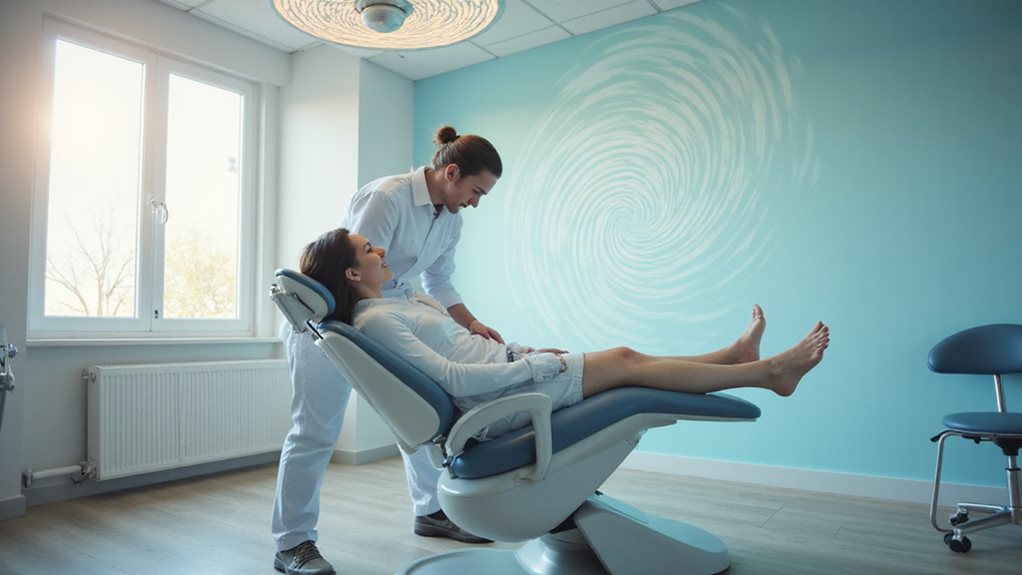
Using hypnosis in the modern dental clinic can make your experience much more comfortable. It helps ease anxiety, so you can feel calm and in control during procedures. By creating a soothing environment and engaging you with techniques like deep breathing and guided imagery, dentists can foster positive experiences. This approach not only reduces discomfort but might even lessen the need for medications. Let’s explore how it works and hear inspiring stories from those who’ve overcome their dental fears.
Key Takeaways
- Hypnosis creates a calming environment, reducing dental anxiety and allowing patients to feel more in control during procedures.
- Guided imagery and deep breathing techniques are effective strategies to help patients relax during their dental visits.
- Hypnosis can minimize pain perception, leading to a smoother and more comfortable dental experience without heavy reliance on medications.
- Dentists should obtain proper training and certification to effectively implement hypnosis techniques in their practices for patient safety.
- Real-life success stories demonstrate how hypnosis has transformed patients’ fears into confidence, encouraging regular dental appointments.
The Role of Hypnosis in Alleviating Dental Anxiety

When you walk into a dental clinic, it’s natural to feel a wave of anxiety wash over you, but hypnosis can help ease those nerves.
The hypnosis benefits are significant, especially for those struggling with dental anxiety. Patients often report feeling calm and in control, allowing for a more relaxed experience during procedures.
This anxiety reduction means you’re more likely to attend appointments regularly, avoiding dental issues down the line. Many patient experiences highlight how hypnosis transformed their fear into a sense of safety and comfort.
With this technique, you can focus on your breathing and let go of tension, making your visit less intimidating. Embracing hypnosis could change how you view dental care, helping you face it with confidence.
Techniques for Implementing Hypnosis in Dental Practices
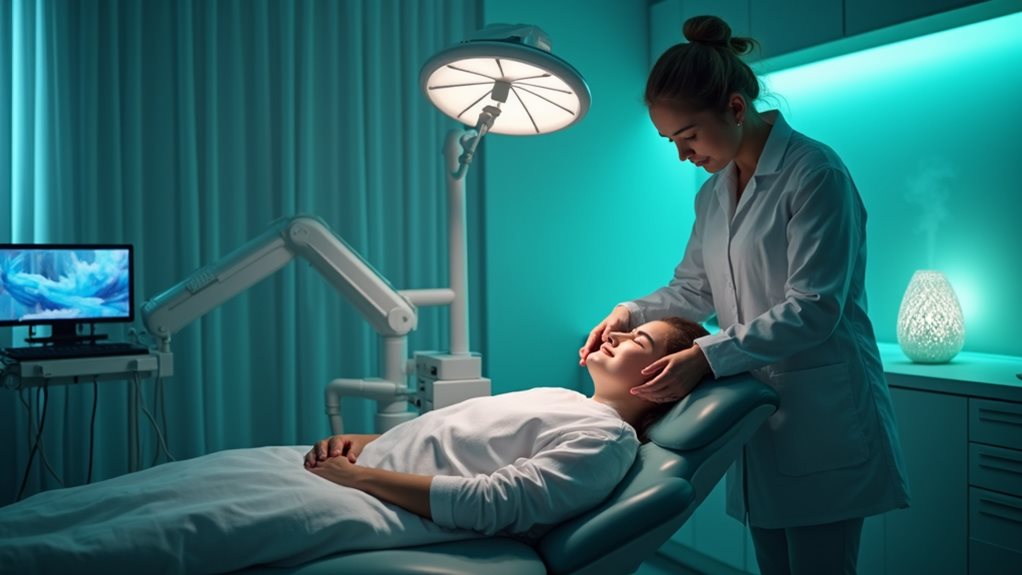
Implementing hypnosis in dental practices can be a straightforward process that greatly enhances patient care.
Start by creating a calming environment; soft lighting and soothing music can make a big difference. Use hypnosis techniques like guided imagery or deep breathing to engage patients. Encourage them to focus on their breath or visualize a peaceful scene, which helps ease anxiety.
Speak in a calm, steady voice to guide them into relaxation, ensuring they feel safe and in control throughout the process. It’s important to maintain patient engagement by checking in with them regularly, allowing them to share their feelings.
With practice, you’ll find that these techniques not only reduce fear but also foster a positive experience for your patients during their dental visits.
Benefits of Hypnosis for Patients During Dental Procedures

Hypnosis offers numerous benefits for patients during dental procedures, helping to transform what can often be a stressful experience into a more manageable one.
By incorporating hypnosis as one of your comfort measures, you can notably reduce anxiety and discomfort. Many patients report feeling more relaxed and in control, allowing for a smoother dental experience.
Patient feedback often highlights how hypnosis serves as an effective alternative therapy, diminishing the need for medications and minimizing pain perception.
Additionally, as you engage more positively with your dentist, you may find that your overall attitude towards dental visits improves.
Embracing hypnosis can lead to enhanced satisfaction, making each appointment less intimidating and more comfortable.
Training and Certification for Dentists in Hypnosis
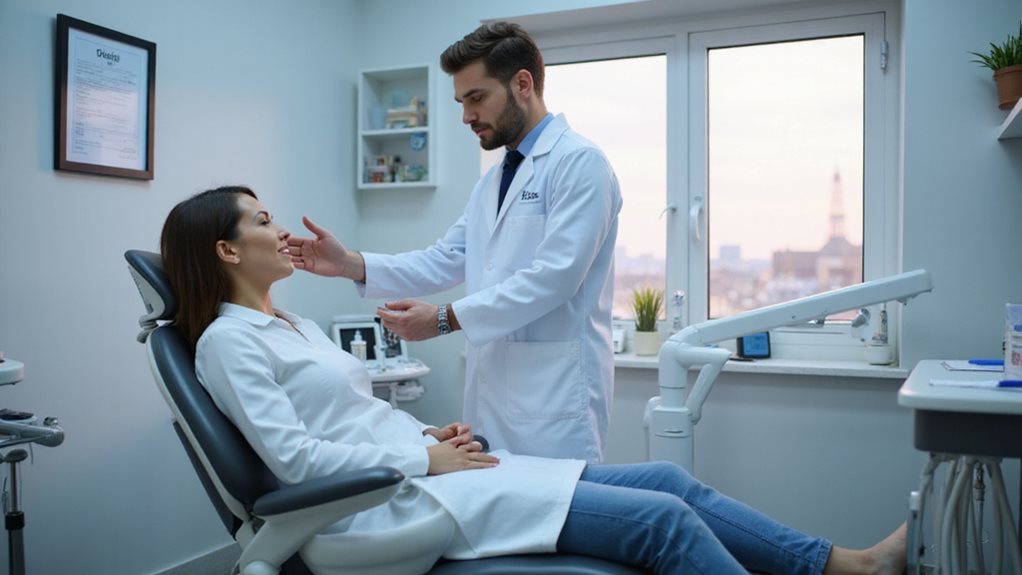
As you consider incorporating hypnosis into your dental practice, it’s essential to recognize the importance of proper training and certification. Meeting certification requirements guarantees you’re equipped with the necessary skills to use hypnosis safely and effectively.
Many reputable training programs are available, focusing on practical hypnosis techniques tailored for dental settings. These courses teach you how to help patients relax, manage their fears, and enhance their overall experience.
Real-Life Success Stories: Patients Who Overcame Dental Fear
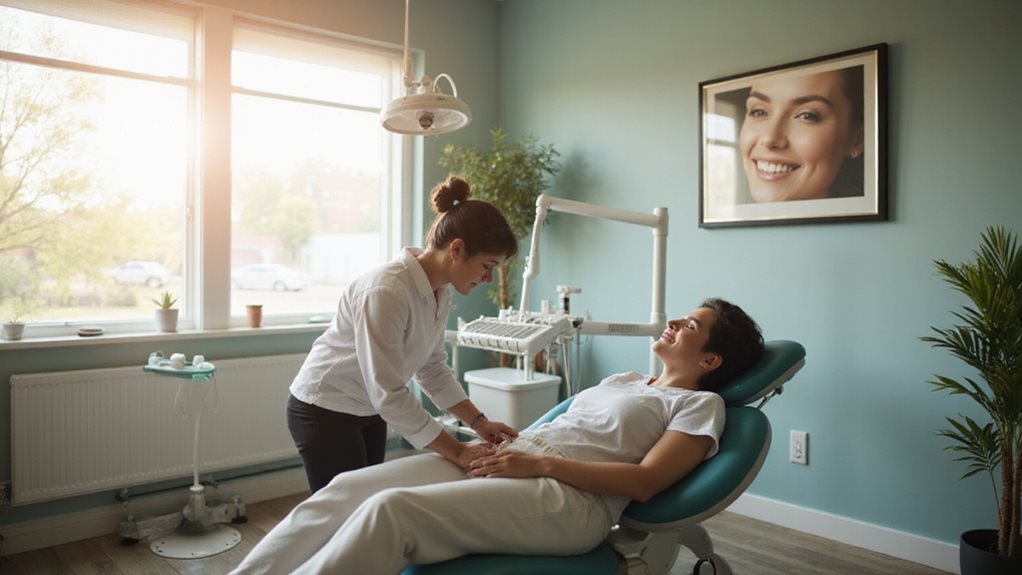
Many patients have experienced profound changes in their dental visits thanks to hypnosis.
You might relate to the patient testimonials where individuals share their personal journeys of overcoming phobia. For instance, Jane, once terrified of the dentist, found solace in hypnosis. She describes how, during her first session, she felt a wave of calm wash over her, allowing her to face the dental chair without anxiety.
Similarly, Mark, who hadn’t seen a dentist in years, took the leap with hypnosis and now attends regular check-ups.
Mark overcame years of dental avoidance through hypnosis, now embracing regular check-ups with newfound confidence.
These real-life stories highlight how hypnosis can transform fear into confidence, making dental visits not only manageable but even pleasant.
You, too, could find relief and reclaim your dental health.
Frequently Asked Questions
Is Hypnosis Safe for All Dental Patients?
Did you know that around 10% of people experience dental anxiety? Hypnosis can be safe for you, but it requires a contraindications assessment and a check on your psychological readiness to ascertain patient suitability.
How Long Does a Hypnosis Session Typically Last?
Typically, a hypnosis session lasts about 30 to 60 minutes, depending on individual needs. Patient experiences vary, but effectiveness studies show that even short sessions can greatly reduce anxiety and improve overall comfort during procedures.
Can Hypnosis Replace Traditional Anesthesia Entirely?
Studies show hypnosis can reduce pain perception by up to 75%. While it enhances patient comfort levels, it’s not a complete replacement for anesthesia. A cost implications analysis suggests it’s a valuable adjunct, not a substitute.
What if I Don’T Respond to Hypnosis?
If you don’t respond to hypnosis, don’t worry. Dentists have alternative techniques for anxiety management. Your expectations matter, and they’ll work with you to find the best approach, ensuring you feel comfortable and cared for.
Are There Any Side Effects of Using Hypnosis?
While hypnosis techniques are generally safe, some patients may experience mild dizziness or drowsiness. However, many find that anxiety reduction outweighs any discomfort, leading to positive patient experiences and a more relaxed state overall.
Take the Next Step, Make An Appointment
Do not be afraid to reach out to me, Mark , to assist you in any issues you might have. Need a good listener or someone to confidentially talk too? . Life Coaching is 45 minute session, once a week.
I conduct the seminar ” Using Hypnosis In The Modern Dental Clinic” periodically, and it is open to DDS, Dmd, & Md’s. Check out our Seminars and Workshops
Self-Hypnosis is taught in one session, individual sessions or in a group, and lasts a lifetime. Most Hypnotherapy sessions including Age regression last 2 hours and EFT Sessions are usually handled with a one hour session
To make an appointment, first listen to the Pre-talk and fill out the Complementary Healthcare Provider Disclosure. The use the Contact Form to request an appointment with, Mark, The Bohol Hypnosis Expert.
Self-help downloads are available to help you with specific problems. The self-hypnosis program to teach you how to self-hypnotize yourself is available here.
Conclusion
So, you thought dental visits had to be a nerve-wracking ordeal? Ironically, the very place that often triggers fear can become a sanctuary of calm with hypnosis. By embracing this gentle approach, you can transform your experience from dread to relaxation. As more dentists adopt hypnosis, you’re not just facing your fears; you’re mastering them. Next time you sit in that chair, remember: tranquility is just a suggestion away, turning anxiety into a serene journey toward better oral health.