

Self-hypnosis is a transformative practice that helps individuals access their minds and achieve personal growth. It involves techniques such as deep breathing, visualization, and progressive muscle relaxation, enhancing relaxation and reducing stress. This method empowers people to control their thoughts and emotions, fostering positive behavioral changes. While challenges like maintaining focus may arise, persistence and the right resources can provide guidance. Exploring further insights can reveal the full potential of this enriching practice.
Key Takeaways
- Self-hypnosis enhances personal development by empowering individuals to positively influence their thoughts and emotions.
- Techniques like deep breathing and visualization are essential for effective self-hypnosis practice.
- Regular practice fosters relaxation, reduces stress, and improves focus and motivation.
- Consistency and a positive mindset help overcome challenges like skepticism and maintaining focus.
- Resources such as guided scripts and audio aids can support your self-hypnosis journey.
Understanding Self-Hypnosis

While many people may associate hypnosis solely with stage performances or therapeutic settings, self-hypnosis offers individuals a powerful tool for personal development and relaxation.
This practice empowers individuals to harness their subconscious mind, enabling them to influence thoughts, behaviors, and emotions positively. By creating a focused, receptive state, self-hypnosis can facilitate stress reduction, enhance motivation, and promote healing.
It fosters self-awareness and encourages a deeper understanding of one’s inner workings. As individuals engage with self-hypnosis, they cultivate a unique connection to their psyche, revealing potential and nurturing personal growth in a safe and supportive environment.
Techniques for Effective Self-Hypnosis
Effective self-hypnosis requires the application of specific techniques that can enhance an individual’s ability to enter a hypnotic state and achieve desired outcomes.
Techniques such as deep breathing, visualization, and progressive muscle relaxation serve as foundational tools. Utilizing a quiet, comfortable environment fosters focus, while repetition of positive affirmations reinforces the desired suggestions.
Deep breathing, visualization, and progressive muscle relaxation create a strong foundation for effective self-hypnosis and focused relaxation.
The Finger Technique and Eye Focus Induction are practical methods for inducing trance. Consistency and patience are essential, as individuals may need to practice regularly to refine their skills.
Ultimately, these techniques empower individuals to explore their subconscious mind effectively, laying the groundwork for transformative experiences.
Benefits of Practicing Self-Hypnosis
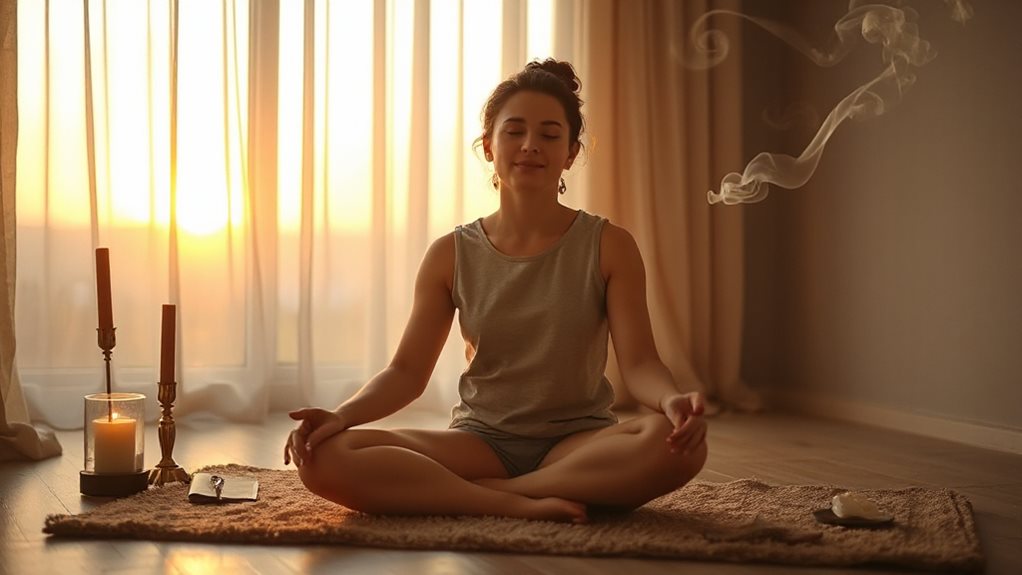
Practicing self-hypnosis offers a multitude of benefits that can markedly enhance an individual’s well-being and personal growth.
This powerful technique promotes relaxation, reduces stress, and fosters a greater sense of control over one’s thoughts and emotions. By tapping into the subconscious, individuals can facilitate positive changes in behavior, such as improved focus, enhanced motivation, and better emotional resilience.
In addition, self-hypnosis serves as a valuable tool for managing anxiety and overcoming limiting beliefs, allowing individuals to unleash their potential.
Ultimately, the practice encourages self-reflection and personal empowerment, making it a transformative addition to one’s self-care routine.
Overcoming Common Challenges
How can individuals effectively navigate the common challenges associated with self-hypnosis? Many face difficulties such as maintaining focus, managing skepticism, or experiencing impatience.
It is essential for practitioners to cultivate a positive mindset, embracing the process rather than seeking immediate results. Establishing a consistent practice schedule can enhance familiarity and comfort.
Additionally, utilizing guided scripts or recordings may alleviate anxiety about the process. Individuals should also recognize that setbacks are normal; persistence is crucial.
Resources for Further Exploration
Maneuvering the intricacies of self-hypnosis often leads individuals to seek additional resources that can bolster their practice and understanding.
Thorough guides, such as Faith Waude’s “Complete Guide to Self Hypnosis,” offer systematic insights and techniques for both beginners and experienced practitioners. Membership options provide access to an extensive library of scripts, audio aids, and expert advice from qualified hypnotherapists.
In addition, various induction techniques and suggestibility tests enhance one’s capability to deepen their self-hypnosis experience. Engagement with these resources not only fosters growth but also cultivates a supportive community, enriching the journey toward self-discovery and mental wellness.
Frequently Asked Questions
Can Anyone Practice Self-Hypnosis Successfully?
The ability to practice self-hypnosis successfully varies among individuals. With dedication and practice, many find effective techniques that enhance relaxation and focus, ultimately enabling them to harness the benefits of self-hypnosis for personal growth.
How Long Does It Take to See Results?
The time required to see results from self-hypnosis varies among individuals. Factors such as frequency of practice, personal openness, and specific goals influence the timeline, making patience and consistency essential for achieving desired outcomes.
Is Self-Hypnosis Safe for Everyone?
Self-hypnosis can be a magic wand for many, promoting relaxation and personal growth. While generally safe, individual health factors must be considered; consulting a professional guarantees a tailored approach for maximum benefits and safety.
What if I Can’t Relax During Self-Hypnosis?
If relaxation proves difficult during self-hypnosis, individuals should consider adjusting their environment, exploring various techniques, or practicing mindfulness. Patience is essential, as consistent effort often leads to improved relaxation and deeper self-hypnotic experiences over time.
Can Self-Hypnosis Help With Anxiety or Stress?
Like a gentle wave washing over a shore, self-hypnosis can soothe anxiety and stress. It offers individuals a pathway to inner calm, enabling them to navigate turbulent emotions with greater resilience and clarity.
Conclusion
To sum up, “Unlock Your Mind: Self-Hypnosis Guide” serves as a beacon for those seeking personal transformation. As the adage goes, “The mind is everything; what you think, you become.” By embracing the techniques and insights within this guide, individuals are empowered to reshape their thoughts and enhance their mental well-being. Through practice, perseverance, and self-discovery, the potential for growth and clarity lies within reach, inviting readers to set out on a profound journey toward a more fulfilling life.