

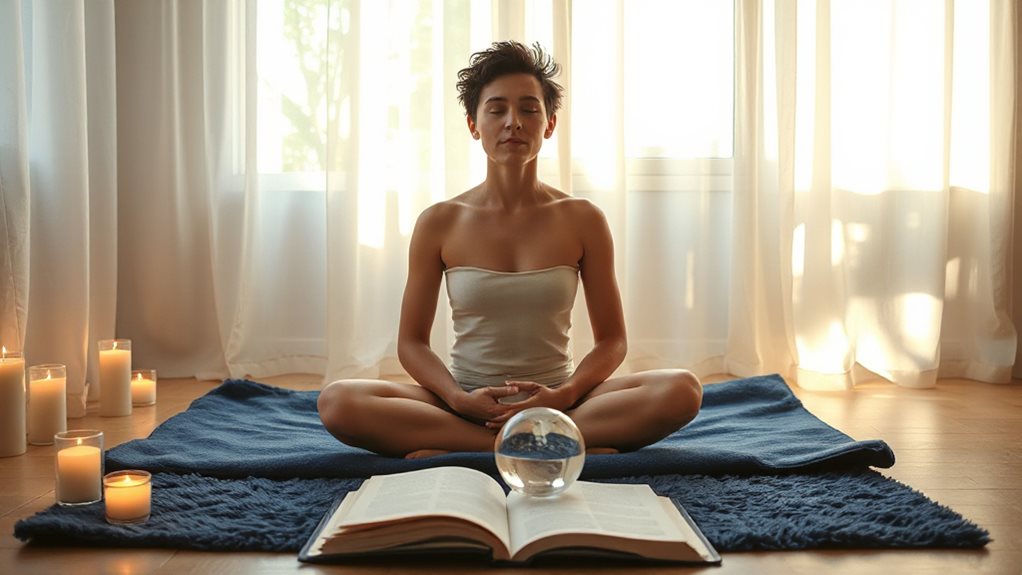
Self-hypnosis serves as a transformative tool that allows individuals to tap into their subconscious for personal growth. By employing techniques such as focused breathing, positive affirmations, and visualization, one can foster emotional healing and address limiting beliefs. Practicing self-hypnosis yields numerous benefits, including reduced stress and improved well-being. Many have experienced success in overcoming challenges like anxiety and weight loss. Discovering more about self-hypnosis can reveal its full potential for life-changing improvements.
Key Takeaways
- Self-hypnosis taps into your subconscious to facilitate personal transformation and positive change.
- Focused breathing and progressive relaxation techniques enhance your ability to enter deeper trance states.
- Visualization and positive affirmations help reinforce desired outcomes and foster a positive mindset.
- Practicing self-hypnosis can reduce stress, improve emotional well-being, and enhance mental clarity.
- Accessing resources like classes, scripts, and community forums supports your self-hypnosis journey immensely.
Understanding Self-Hypnosis

Self-hypnosis serves as a powerful tool for personal transformation, enabling individuals to tap into their subconscious mind to effect positive change.
This practice involves guiding oneself into a state of focused attention and heightened suggestibility, allowing for enhanced self-awareness and introspection.
By accessing the subconscious, individuals can address limiting beliefs, manage stress, and foster emotional healing.
Understanding self-hypnosis requires recognizing its potential to empower personal growth and facilitate behavioral change.
It is a valuable skill for those seeking to reclaim control over their thoughts and actions, ultimately leading to improved mental well-being and a more fulfilling life.
Techniques for Effective Self-Hypnosis
Harnessing the power of the subconscious mind requires a set of techniques that can enhance the effectiveness of self-hypnosis.
Practitioners can adopt the following methods to optimize their experience:
Practitioners can enhance their self-hypnosis experience by incorporating effective techniques for deeper subconscious engagement.
- Focused Breathing: Establish a calm state by concentrating on slow, deep breaths.
- Positive Affirmations: Use affirmations to reinforce desired outcomes, fostering a positive mindset.
- Visualization: Create mental images related to goals, enhancing emotional engagement.
- Progressive Relaxation: Gradually relax each muscle group to promote deeper trance states.
These techniques facilitate a more profound connection with the subconscious, paving the way for transformative self-hypnosis experiences.
Benefits of Practicing Self-Hypnosis

What advantages can individuals gain from the practice of self-hypnosis?
Practicing self-hypnosis can lead to enhanced mental clarity, reduced stress, and improved emotional well-being. It enables individuals to tap into their subconscious, fostering positive behavioral changes and addressing issues such as anxiety, insomnia, and pain management.
Additionally, self-hypnosis promotes greater self-awareness and mindfulness, allowing individuals to cultivate a deeper understanding of their thoughts and feelings.
This empowering technique not only aids in achieving personal goals but also instills a sense of control over one’s life, making it a valuable tool for personal development and overall mental health enhancement.
Resources to Enhance Your Self-Hypnosis Journey
While commencing on the journey of self-hypnosis, individuals can greatly benefit from a variety of resources designed to enhance their practice and understanding.
Key resources include:
- Comprehensive Classes – Offered by experienced practitioners, these classes provide hands-on techniques.
- Membership Options – Access to extensive libraries of scripts and audio materials.
- Guides and Instructions – Detailed literature that offers step-by-step self-hypnosis methods.
- Community Forums – Supportive spaces for sharing experiences and gaining insights from fellow practitioners.
Utilizing these resources can considerably enrich one’s self-hypnosis experience, fostering deeper understanding and improved outcomes.
Real-Life Success Stories With Self-Hypnosis

As individuals commence on their self-hypnosis journeys, many discover transformative benefits that considerably enhance their lives.
For instance, one individual overcame a lifelong fear of public speaking, enabling them to confidently present at work.
Another reported significant weight loss, attributing their success to self-hypnosis techniques that fostered healthier habits.
Additionally, a woman found relief from chronic anxiety, leading to improved relationships and overall well-being.
These stories illustrate self-hypnosis as a powerful tool for personal growth, demonstrating its ability to facilitate change, build resilience, and release potential.
Such experiences inspire others to embrace self-hypnosis for their own life improvements.
Frequently Asked Questions
Can Anyone Practice Self-Hypnosis Effectively?
Self-hypnosis can be practiced effectively by anyone willing to learn and apply techniques. With proper guidance and resources, individuals can harness their mind’s potential, enhancing relaxation, focus, and personal development through consistent practice and understanding.
How Long Does It Take to See Results?
The journey to results resembles a seed sprouting; patience is essential. Typically, individuals may notice changes within a few sessions, while deeper transformations may require consistent practice over weeks or even months, fostering gradual growth and insight.
Are There Any Risks Associated With Self-Hypnosis?
The potential risks associated with self-hypnosis include misapplication, emotional discomfort, or reliance on the technique for issues requiring professional intervention. Proper education and guidance can mitigate these risks, fostering a safe and effective practice.
What Materials Do I Need for Self-Hypnosis?
To effectively practice self-hypnosis, individuals typically require a quiet space, comfortable seating, relaxation techniques, and guided scripts. Additionally, audio resources like soothing music can enhance the experience, promoting deeper relaxation and focus during sessions.
Is Self-Hypnosis Suitable for Children?
Self-hypnosis can be suitable for children, provided it is approached with care and guidance. Techniques should be simplified, ensuring a safe and supportive environment to foster relaxation and focus, while addressing their unique needs.
Conclusion
In summary, self-hypnosis serves as a key to revealing the hidden potential within individuals, much like a lighthouse guiding ships through a stormy sea. By embracing the techniques and resources available, practitioners can navigate their personal challenges, fostering growth and healing. The supportive community and success stories further illuminate the transformative power of self-hypnosis, inspiring others to begin their own journeys toward well-being and self-discovery. Ultimately, this practice can lead to profound, lasting change.