


Hypnosis serves as a transformative tool for writers grappling with creativity blocks. It guides them into a relaxed state, enabling access to deeper thoughts and ideas. By silencing self-doubt, individuals can tap into hidden creativity and rediscover their passion for storytelling. Techniques that harness brain wave states enhance focus and relaxation, creating an ideal environment for inspiration. As they embrace this journey, writers find fulfillment and motivation, inviting greater possibilities on their creative path ahead.
Key Takeaways
- Hypnosis induces relaxation, allowing writers to access deeper thoughts and overcome mental blocks.
- Entering Beta and Theta brain wave states enhances creativity and focus during the writing process.
- Hypnosis silences self-doubt and distractions, fostering a clearer mental space for inspiration.
- Writers often rediscover their passion for storytelling, leading to greater fulfillment and motivation.
- Client success stories demonstrate hypnosis’s effectiveness in unlocking creativity and completing projects.
Understanding Writer’s Block and Its Impact
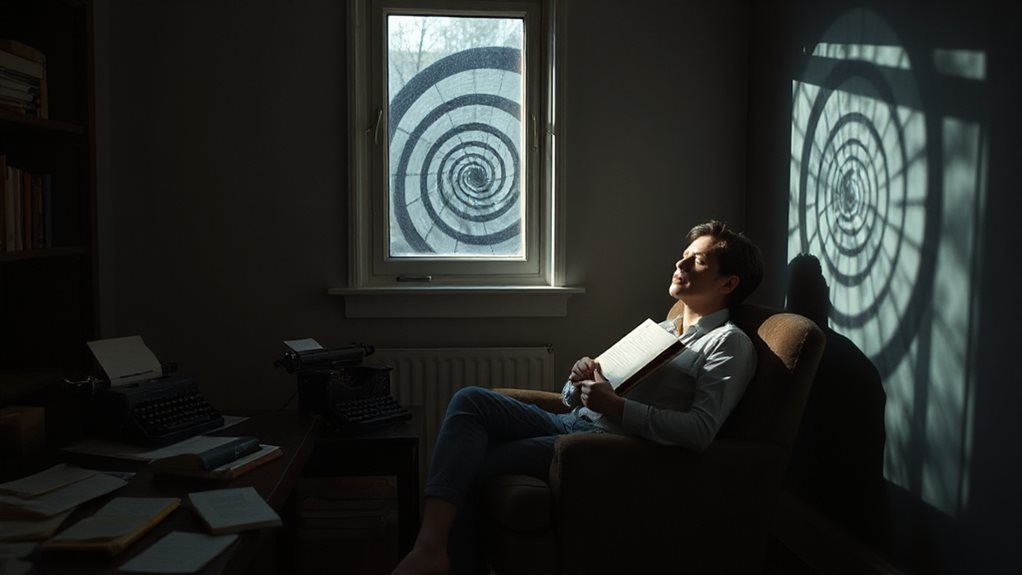
Although writer’s block can feel like an insurmountable barrier, it is a common struggle that many writers face at various stages of their creative journey.
This phenomenon often manifests as a mental block, hindering the flow of ideas and preventing progress. It can lead to frustration and self-doubt, yet it also serves as a valuable opportunity for reflection and growth.
Recognizing the impact of writer’s block allows writers to confront their fears and explore new strategies. By embracing this challenge, they can ultimately tap into their inner creativity, rediscover their passion, and foster resilience in their writing endeavors.
The Role of Hypnosis in Enhancing Creativity
Writer’s block often serves as a catalyst for exploring innovative solutions that can reignite creativity. Hypnosis emerges as a powerful tool in this quest, guiding individuals into a relaxed state where the subconscious mind can flourish.
By accessing deeper thoughts and ideas, writers can break free from self-imposed limitations. This process not only silences distracting noise but also fosters an environment ripe for inspiration.
The gentle coaxing of hypnosis encourages a natural flow of words, transforming the act of writing into a joyful exploration. Ultimately, hypnosis cultivates a supportive space for creativity, allowing writers to connect with their true artistic potential.
Exploring Brain Wave States for Optimal Writing

When the mind shifts through various brain wave states, it opens the door to profound creative potential, particularly during the writing process.
Each state—Alpha, Beta, Theta, and Delta—offers unique benefits, with Beta and Theta being especially conducive to creativity. In these ideal states, writers can experience heightened relaxation and focus, allowing ideas to flow more freely.
By harnessing these brain rhythms through techniques like hypnosis, individuals can access deeper layers of imagination.
Harnessing brain rhythms through techniques like hypnosis unlocks profound depths of imagination and creativity.
This journey into the mind’s vast landscape not only fosters creativity but also nurtures a supportive environment for exploring and expressing one’s unique voice in writing.
Benefits of Overcoming Writer’s Block With Hypnosis
By embracing hypnosis as a tool to overcome writer’s block, individuals can access a reservoir of creativity that may have remained dormant. This transformative practice enables writers to silence intrusive thoughts, enhancing their enjoyment of the writing process. Increased motivation and focus emerge, fostering the completion of thorough pieces.
| Benefit | Description | Outcome |
|---|---|---|
| Tap into Ideas | Access hidden creativity | New insights and themes |
| Silence Intrusions | Quiet the mind | Enhanced clarity |
| Enjoy Writing | Rediscover passion for storytelling | Greater fulfillment |
Client Experiences and Success Stories

Frequently, clients who have embraced hypnosis for overcoming writer’s block share remarkable experiences that highlight the transformative power of this practice.
Many report newfound clarity and a surge of inspiration, enabling them to access ideas previously secured away. One author expressed how hypnosis helped silence self-doubt, allowing creativity to flow freely.
Others found themselves completing projects that had lingered unfinished for years. These success stories emphasize the profound impact of hypnosis, instilling confidence and rekindling the joy of writing.
The collective experiences serve as a demonstration to the efficacy of hypnosis in releasing the creative potential within every writer.
Frequently Asked Questions
How Long Does a Typical Hypnosis Session Last for Writers?
A typical hypnosis session for writers generally lasts between 30 to 60 minutes. This duration allows for deep relaxation, enabling individuals to access their creative potential and overcome mental barriers effectively, fostering a productive writing environment.
Can Hypnosis Help With Specific Writing Genres?
Like a key unfastening a hidden treasure chest, hypnosis can guide writers through the labyrinth of genre-specific challenges, illuminating pathways to creativity and enhancing their ability to craft compelling narratives across diverse styles and themes.
Is Hypnosis Safe for All Writers?
Hypnosis is generally considered safe for writers, promoting relaxation and creativity. However, individual responses may vary. Seeking professional guidance guarantees a tailored approach, fostering a supportive environment for unblocking potential and enhancing the writing experience.
How Often Should I Practice Hypnosis for Writing?
The frequency of practicing hypnosis for writing varies individually. Regular sessions, such as weekly or bi-weekly, can enhance mental states conducive to creativity, fostering a deeper connection to ideas and motivations essential for the writing journey.
What Should I Expect During a Hypnosis Session?
As a gentle wave sweeps over the shore, a hypnosis session transports individuals into a serene domain. They can expect deep relaxation, heightened awareness, and guided imagery, paving the way for profound insights and transformative experiences.
Conclusion
In the garden of creativity, writer’s block is a thicket that chokes inspiration. Hypnosis, like a gentle breeze, clears the path, allowing ideas to bloom freely. By embracing this transformative tool, writers can access their inner landscapes, nurturing their thoughts and stories to flourish. As the sun rises on newfound motivation, the journey from struggle to expression becomes a vibrant tapestry, woven with threads of imagination and resilience. In this fertile ground, the seeds of creativity await their moment to shine.