


Hypnosis can profoundly transform the surgical experience for patients. It greatly reduces anxiety and fosters a sense of empowerment. By guiding individuals into a relaxed state, hypnosis allows for visualization of a successful outcome, easing fear before procedures. Modern applications include painless surgeries with reports of quicker recovery times. This compassionate approach enhances patient comfort and promotes a smoother surgical journey. There are many success stories that highlight these benefits for those open to this alternative method.
Key Takeaways
- Hypnosis effectively reduces pre-surgery anxiety, helping patients feel calm and in control before their procedures.
- Visualization techniques during hypnosis foster a positive mindset about the surgical outcome, enhancing overall patient confidence.
- Historical evidence shows hypnosis significantly lowered surgical mortality rates and improved recovery times, demonstrating its medical efficacy.
- Modern applications include painless procedures, such as caesarean sections and vasectomies, highlighting its potential for patient comfort.
- Success stories reveal that patients experience less discomfort and quicker recoveries when utilizing hypnosis before and during surgery.
Understanding the Power of Hypnosis in Surgery
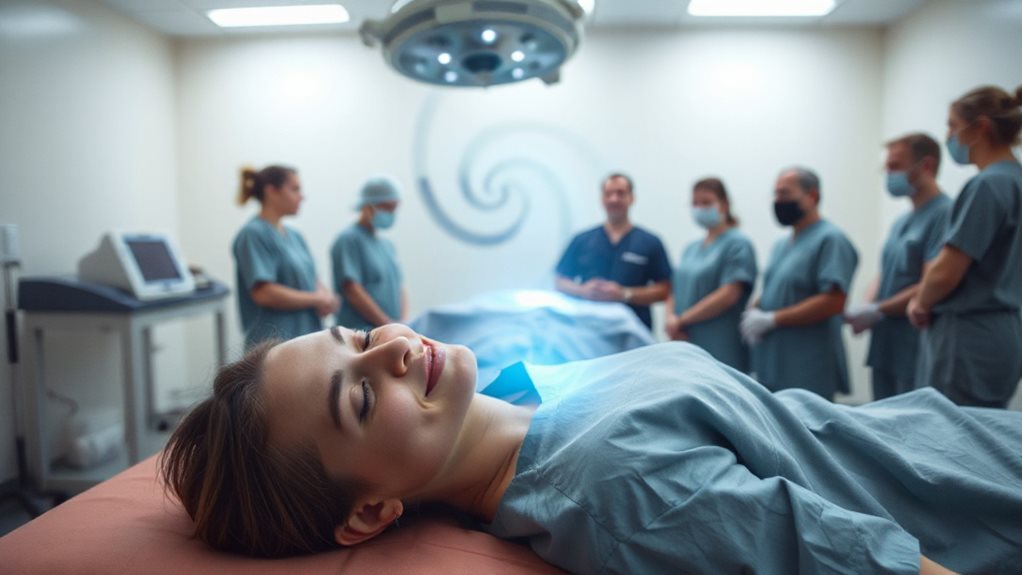
While many individuals experience anxiety and fear before surgery, hypnosis offers a transformative approach that can markedly alter this emotional landscape.
By guiding clients into a relaxed state, hypnosis helps diminish their apprehensions, allowing them to visualize a successful surgical outcome. This technique can be employed just before entering the operating theatre, ensuring a calm mindset.
Patients often emerge from hypnosis feeling empowered, which may lead to shorter recovery times and a renewed appreciation for life.
Ultimately, the integration of hypnosis into the surgical experience fosters a supportive environment, enabling individuals to approach their procedures with confidence and serenity.
Historical Significance of Hypnosis in Medical Practices
As the medical community has evolved, the historical significance of hypnosis in medical practices has become increasingly evident.
Pioneered by English surgeon James Esdaile in the 19th century, hypnosis dramatically reduced surgical mortality rates from 50% to 8%, showcasing its potential for patient recovery.
Esdaile’s innovative techniques not only alleviated pain but also expedited healing processes, fostering a renewed interest in hypnosis within modern medicine.
Esdaile’s groundbreaking methods not only eased pain but also accelerated recovery, reigniting the fascination with hypnosis in today’s medical practices.
As scientific studies continue to highlight its benefits, the legacy of hypnosis serves as a demonstration to its transformative role in enhancing patient care, ultimately supporting a more compassionate approach to surgical experiences.
Modern Uses of Hypnosis for Surgical Procedures
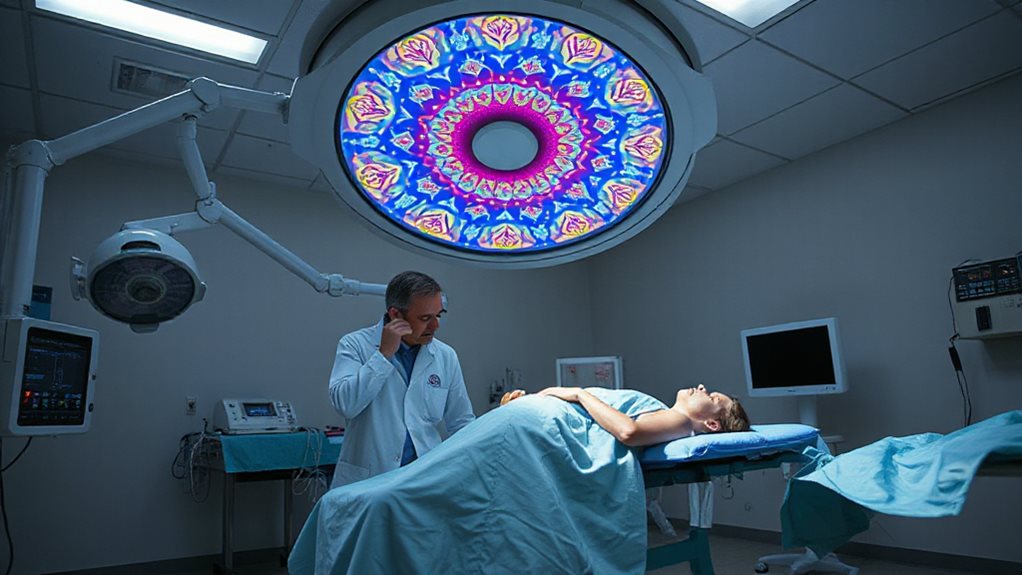
In recent years, the application of hypnosis in surgical procedures has emerged as a promising alternative that prioritizes patient comfort and well-being. This innovative approach has been successfully utilized in various contexts, such as painless caesarean sections and vasectomies, where patients report minimal discomfort.
Additionally, tooth extractions performed under hypnosis demonstrate quicker recovery times. The growing acceptance of hypnosis as an adjunct to general anesthesia reflects a shift toward enhancing patient experiences, reducing anxiety, and fostering a supportive atmosphere in healthcare settings.
As more medical professionals adopt these techniques, the potential benefits for patient care continue to expand.
Exploring Hypnosis Scripts for Pre-Surgery Anxiety
How can hypnosis scripts effectively alleviate pre-surgery anxiety? These carefully crafted scripts guide individuals into a state of relaxation, reducing fear and promoting a positive mindset before surgery.
By focusing on calming imagery and affirmations, clients can visualize a successful surgical experience and a swift recovery. The scripts address common fears associated with medical procedures, reinforcing a sense of control and comfort.
Additionally, they can be practiced in advance, allowing clients to familiarize themselves with the process. Ultimately, utilizing hypnosis scripts fosters a supportive environment, empowering individuals to approach their surgery with confidence and serenity.
Real-Life Success Stories and Testimonials

Numerous individuals have experienced profound transformations in their surgical journeys through the use of hypnosis.
Testimonials highlight significant reductions in anxiety, with patients reporting feelings of calm and control before their procedures.
One woman shared her painless experience during a caesarean section, attributing her ease to self-hypnosis techniques.
A man undergoing a vasectomy noted a smoother recovery and minimal discomfort.
These success stories illustrate the potential of hypnosis to enhance surgical experiences, fostering not only physical comfort but also emotional well-being.
As more patients share their positive outcomes, the supportive community surrounding hypnosis continues to grow, encouraging others to explore its benefits.
Frequently Asked Questions
Is Hypnosis Safe for All Types of Surgeries?
Hypnosis is generally considered safe for various surgeries, but individual responses may vary. It is essential for patients to consult with their healthcare providers to determine suitability and address any concerns regarding its use during surgical procedures.
How Long Does a Typical Hypnosis Session Last?
A typical hypnosis session generally spans between 30 to 60 minutes. This timeframe allows participants to gently explore their subconscious, fostering relaxation and preparing them for positive outcomes in various life experiences, including medical procedures.
Can Hypnosis Be Combined With Other Anesthesia Methods?
Hypnosis can indeed be combined with other anesthesia methods to enhance patient comfort and reduce anxiety. This integrative approach may lead to improved surgical outcomes and quicker recovery times, as evidenced by growing clinical applications and positive patient experiences.
Will I Remember the Hypnosis Session After Surgery?
The individual may not remember the hypnosis session after surgery, as the hypnotic state can alter memory recall. However, the benefits of the session typically enhance relaxation and recovery, aiding in a smoother surgical experience.
How Can I Find a Qualified Hypnosis Practitioner?
To find a qualified hypnosis practitioner, individuals should seek referrals from healthcare providers, check professional directories, and verify credentials. Reading reviews and conducting initial consultations can also help guarantee a supportive and effective therapeutic experience.
Conclusion
Incorporating hypnosis into surgical settings presents a promising pathway for patients seeking peace and positivity. By alleviating anxiety and enhancing outcomes, this innovative approach fosters a feeling of safety and serenity. As healthcare continues to evolve, the harmonious blend of hypnosis and medicine offers a revitalizing alternative, empowering individuals to embrace their surgical journeys with confidence. Ultimately, this transformative technique not only nurtures healing but also cultivates a renewed sense of hope and wholeness in life post-procedure.