

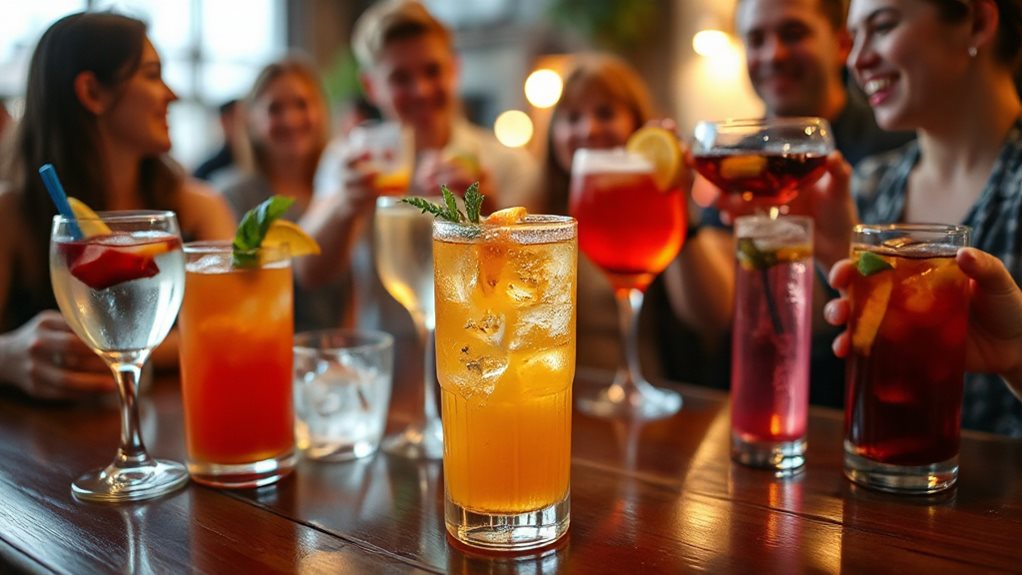
Transforming social drinking habits begins with understanding personal patterns. Individuals can set realistic goals by evaluating triggers and gradually reducing intake. Employing strategies such as sipping mocktails or alternating drinks promotes moderation. Mindfulness plays a key role, allowing for intentional choices and deeper connections during social events. Building a supportive community fosters accountability and motivation. With the right approach, a healthier relationship with alcohol is achievable, paving the way for a more enjoyable social experience. More insights await ahead.
Key Takeaways
- Assess your current drinking habits to identify triggers and set clear, measurable goals for reduction.
- Opt for mocktails or non-alcoholic drinks to enjoy social events without overindulging.
- Practice mindfulness by savoring each sip and reflecting on your motivations for drinking.
- Alternate alcoholic beverages with water or soft drinks to stay hydrated and moderate intake.
- Build a supportive community by connecting with others who share similar goals for accountability and encouragement.
Understanding Your Drinking Patterns
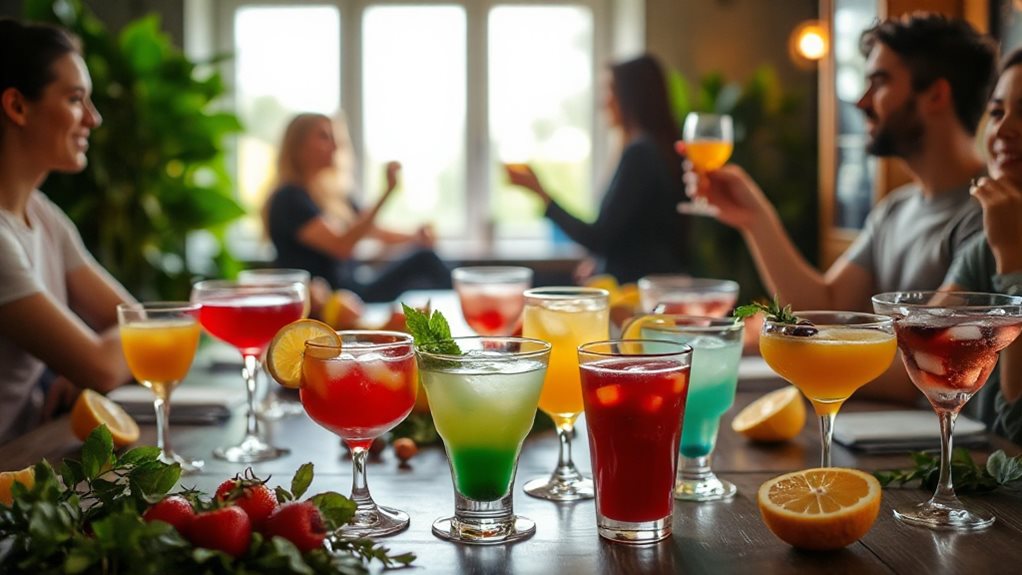
How often do individuals find themselves reaching for a drink in social settings? Understanding drinking patterns is essential for those who enjoy social drinking but wish to moderate their intake.
Many individuals unconsciously associate social interactions with alcohol, leading to habitual consumption. By recognizing triggers—such as stress, peer pressure, or celebration—one can become more mindful of their choices.
This awareness fosters a supportive environment for personal growth, allowing individuals to engage socially without relying on alcohol. Ultimately, understanding these patterns empowers individuals to make informed decisions, promoting a healthier relationship with drinking while still enjoying social occasions.
Setting Realistic Goals for Alcohol Reduction
What strategies can individuals employ to set achievable goals for reducing alcohol consumption?
First, they should assess their current habits, identifying triggers and specific drinking patterns.
Next, setting clear, measurable, and time-bound goals—such as limiting drinks per week—can provide a tangible framework for change.
Additionally, individuals might consider gradually reducing intake rather than making drastic cuts, which can enhance success and sustainability.
Finally, seeking support from friends or communities can foster accountability and encouragement.
Strategies for Enjoying Social Events Without Overindulging
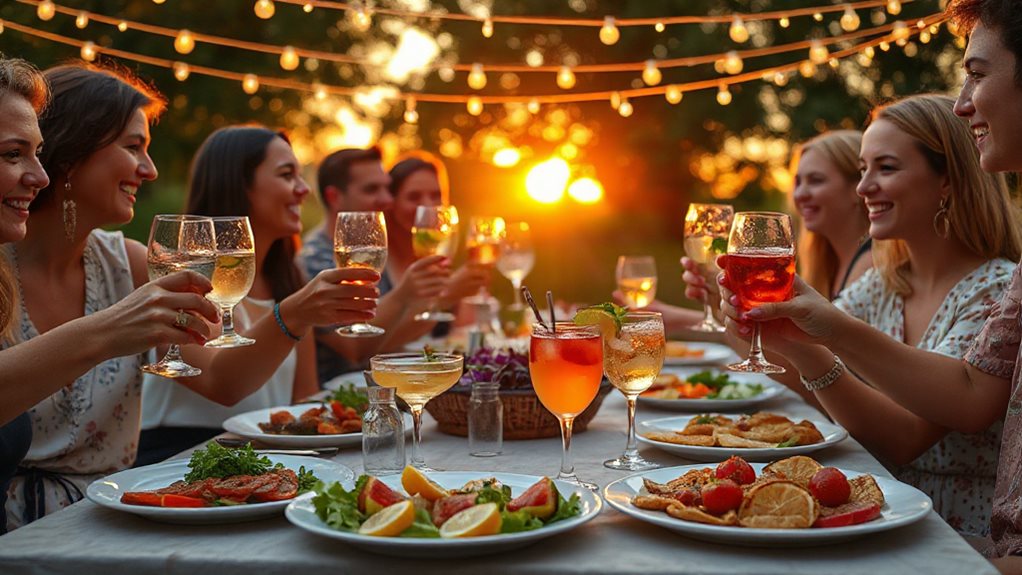
While social events often present opportunities for enjoyment, they can also lead to overindulgence in alcohol if one is not mindful.
Social events can be enjoyable, but mindfulness is key to avoiding overindulgence in alcohol.
To navigate these gatherings successfully, individuals can adopt several strategies that enhance their experience while maintaining moderation:
- Sip slowly a invigorating mocktail garnished with vibrant fruits, savoring each flavorful moment.
- Engage in conversations with friends, focusing on laughter and connection rather than the drink in hand.
- Alternate drinks by having water or a soft drink between alcoholic beverages, ensuring hydration and pacing.
These strategies can help cultivate a fulfilling social experience without compromising one’s goals for moderation.
Developing Mindfulness Around Alcohol Consumption
Mindfulness around alcohol consumption plays an essential role in enhancing one’s social experiences without the pitfalls of overindulgence.
Practicing mindfulness allows individuals to be fully present during social interactions, fostering deeper connections and enjoyment. By becoming aware of their drinking patterns, individuals can make intentional choices, evaluating their motivations for alcohol consumption.
This awareness helps in recognizing triggers and encourages moderation, ultimately leading to more fulfilling social experiences. Techniques such as savoring each sip, setting personal limits, and reflecting on feelings can enhance mindfulness, promoting a healthier relationship with alcohol while still enjoying social settings.
Building a Supportive Community for Lasting Change
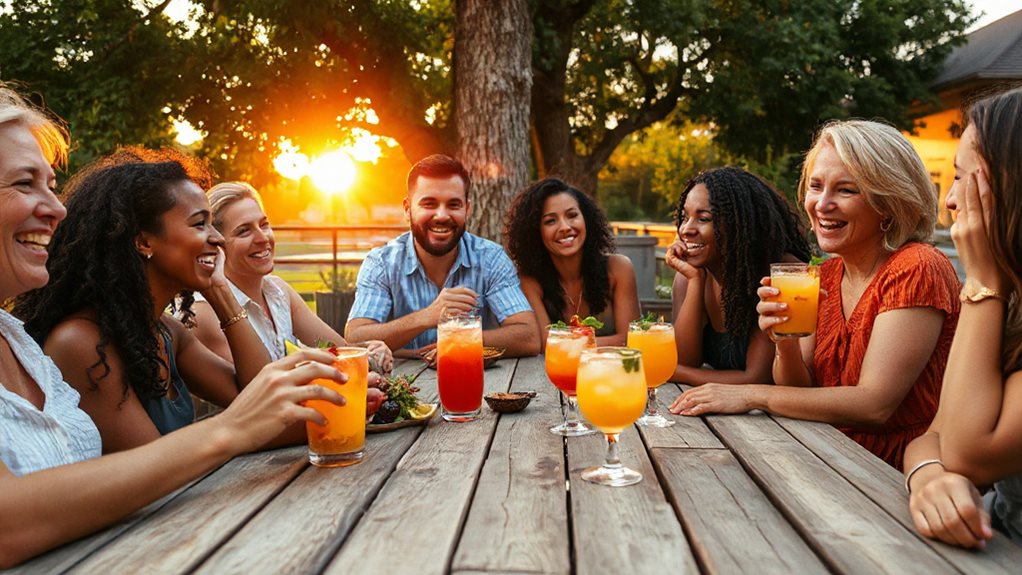
A strong support network is essential for individuals seeking to transform their social drinking habits. Engaging with like-minded peers fosters accountability and encouragement, making the journey more manageable.
- Regular meet-ups: Create opportunities to connect and share experiences in a supportive environment.
- Shared resources: Exchange tips, articles, and tools that promote healthier choices.
- Celebrating milestones: Acknowledge achievements together, reinforcing commitment and motivation.
Frequently Asked Questions
How Can I Track My Alcohol Consumption Effectively?
To effectively track alcohol consumption, one can maintain a daily log, use smartphone apps, or set specific goals. This approach fosters awareness and accountability, helping individuals make informed decisions regarding their drinking habits.
What Are Some Non-Alcoholic Drink Alternatives?
In a world overflowing with sparkling waters, herbal teas, and mocktails, one might wonder if non-alcoholic alternatives exist. Indeed, they do, providing refreshment and flavor without the aftermath of regret, ensuring enjoyable social moments.
How Do I Handle Peer Pressure to Drink?
Handling peer pressure to drink involves asserting personal choices confidently, suggesting non-alcoholic alternatives, and surrounding oneself with supportive friends. Embracing self-awareness and practicing assertiveness can empower individuals to resist pressure and enjoy social settings responsibly.
Can I Still Enjoy Parties Without Drinking?
Many individuals can enjoy parties without drinking by engaging in conversations, participating in activities, and opting for non-alcoholic beverages. This approach fosters social connections while supporting personal choices regarding alcohol consumption and well-being.
What Should I Do if I Relapse?
Statistics show that nearly 70% of individuals experience a relapse. When this occurs, it’s essential to reflect on triggers, seek support, and recommit to personal goals, reinforcing the journey towards healthier drinking habits.
Conclusion
To summarize, transforming social drinking habits can be as invigorating as a cool breeze on a hot summer day. By understanding personal drinking patterns and setting realistic goals, individuals can navigate social situations with confidence. Employing strategies that emphasize mindfulness and building a supportive community empowers them to enjoy gatherings without compromising their health. With these tools in hand, one can reshape their relationship with alcohol, fostering a balanced lifestyle that enhances both social interactions and personal well-being.