

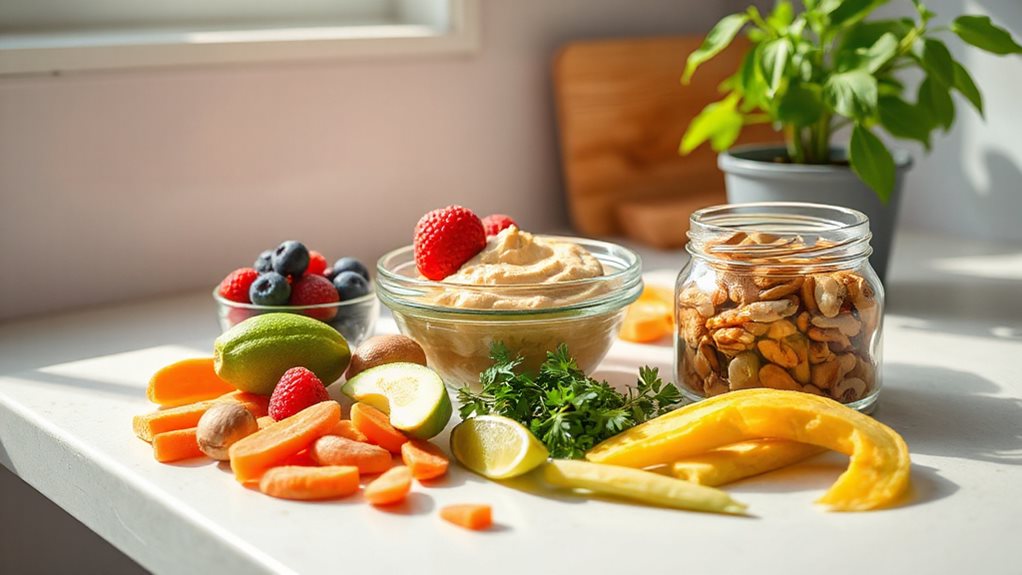
Transforming snacking habits begins with understanding personal patterns and triggers. Mindful snacking encourages attention to hunger cues, reducing emotional eating and promoting healthier choices. Opting for nutritious alternatives, like fruits, vegetables, nuts, and yogurt, can enhance health and wellbeing. Techniques such as portion control, hydration, and meal prep can foster a sustainable snacking routine. Emphasizing consistency and nutrient-dense options helps maintain energy and avoid excess calories. Discover more strategies to elevate your snacking habits effectively.
Key Takeaways
- Reflect on your snacking habits to identify triggers and make more informed choices.
- Practice mindful snacking by paying attention to hunger cues and savoring each bite.
- Prepare healthy snacks in advance to avoid impulsive, unhealthy eating decisions.
- Choose nutrient-dense options like fruits, vegetables, nuts, and yogurt for better health.
- Keep a food diary to track your snacking patterns and promote accountability.
Understanding Your Snacking Patterns
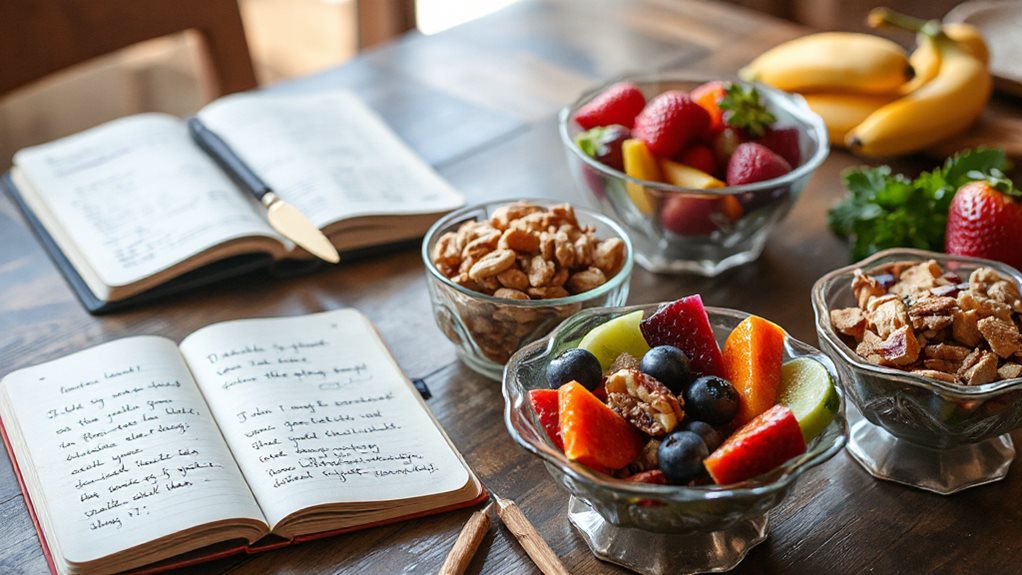
How often do individuals pause to reflect on their snacking habits? Understanding these patterns is essential for making healthier choices.
Research indicates that frequent, unplanned snacking often leads to weight gain and increased health risks, especially when snacks are high in sugar and calories. Individuals who snack mindlessly may consume food out of boredom rather than hunger, perpetuating unhealthy habits.
The Role of Mindful Snacking
What impact does mindful snacking have on overall health and well-being? Mindful snacking encourages individuals to pay attention to their hunger cues and the sensory experience of eating.
This practice can greatly reduce instances of emotional or boredom eating, thereby decreasing the likelihood of weight gain and promoting healthier food choices. Research indicates that being aware of one’s snacking habits fosters a more balanced relationship with food, leading to improved mental and physical health.
Healthier Snack Alternatives
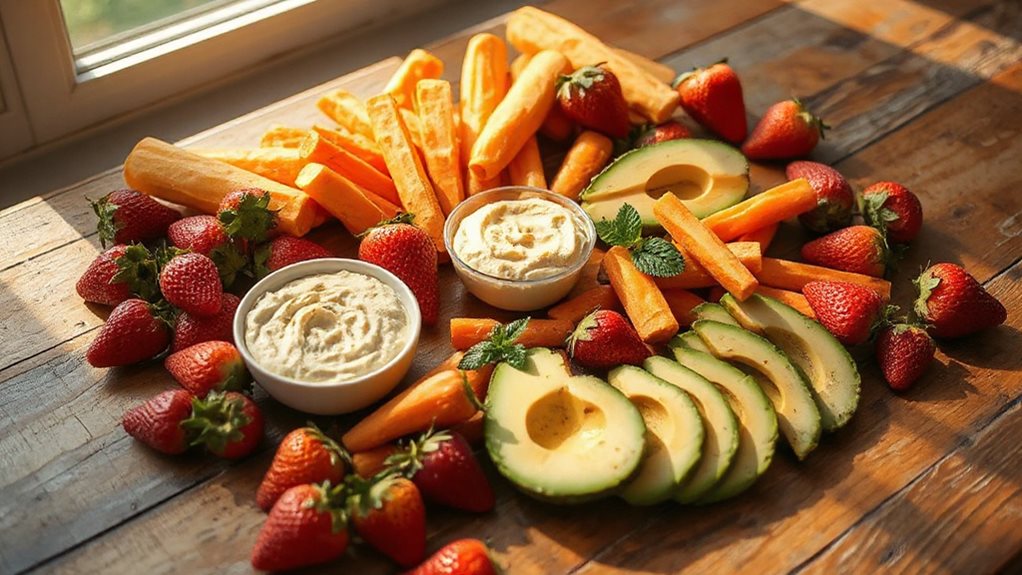
While many individuals reach for convenient, high-calorie snacks, healthier alternatives can greatly enhance both physical health and overall well-being.
Opting for nutritious options can reduce the risk of obesity and related diseases. Some beneficial snack alternatives include:
- Fresh fruits and vegetables – Rich in vitamins and minerals, these provide essential nutrients and fiber.
- Nuts and seeds – Packed with healthy fats and protein, they promote satiety and sustained energy.
- Greek yogurt – High in protein and probiotics, it supports gut health and keeps hunger at bay.
Making these choices can transform snacking habits and contribute to a healthier lifestyle.
Techniques to Control Snacking
Implementing techniques to control snacking can greatly impact overall health and well-being. Individuals can benefit from practicing mindful eating, which involves paying attention to hunger cues and savoring each bite.
Keeping a food diary may help identify patterns and triggers for unnecessary snacking. Additionally, portion control is essential; using smaller plates can mitigate overeating.
Staying hydrated is equally important, as thirst is often mistaken for hunger. Finally, preparing healthy snacks in advance encourages better choices, reducing the temptation to reach for unhealthy options.
Building a Sustainable Snacking Routine
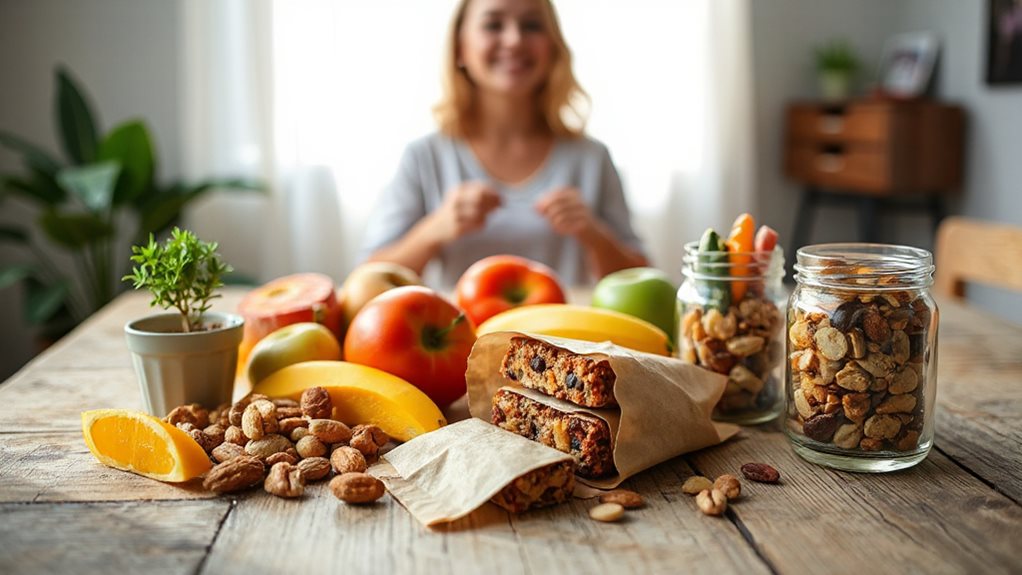
To cultivate a sustainable snacking routine, individuals should prioritize consistency and health-conscious choices. This approach not only supports better health but also enhances overall well-being.
Key strategies include:
- Plan Ahead: Prepare healthy snacks in advance to avoid impulsive choices.
- Practice Mindfulness: Be aware of hunger cues to prevent unnecessary eating and reduce the risk of obesity.
- Choose Nutrient-Dense Options: Opt for snacks rich in fiber and protein, such as nuts or fruits, to maintain energy levels without excessive calories.
Frequently Asked Questions
How Can I Identify My Emotional Triggers for Snacking?
Identifying emotional triggers for snacking involves self-reflection, journaling feelings, and recognizing patterns. Individuals may benefit from mindfulness techniques to discern emotional states, allowing for conscious choices rather than automatic responses during snack times.
What Are the Best Times to Snack Mindfully?
The best times to snack mindfully are mid-morning and mid-afternoon, as energy levels dip. Additionally, snacking when genuinely hungry fosters healthier choices and prevents overeating, promoting overall well-being and mindful eating practices.
Can Snacking Ever Be Beneficial for Weight Loss?
Can snacking contribute to weight loss? When approached mindfully, healthy snacks can prevent overeating at meals, maintain energy levels, and support metabolism, ultimately aiding weight management while promoting a balanced diet.
How Do I Break the Habit of Mindless Snacking?
To break the habit of mindless snacking, individuals should practice mindfulness, identify triggers, plan healthy alternatives, and maintain awareness of hunger cues. This approach fosters healthier eating habits and reduces the likelihood of overeating.
What Role Does Hydration Play in Snacking Habits?
Hydration greatly influences snacking habits, often masking hunger. Many individuals confuse thirst for hunger, leading to unnecessary snacking. Adequate water intake can reduce cravings and promote healthier snacking choices, fostering mindful eating practices.
Conclusion
In the journey of transforming snacking habits, awareness serves as the compass guiding toward healthier choices. By embracing mindful snacking, individuals can replace mindless munching with intentional, nourishing bites, akin to tending a garden where each choice cultivates well-being. With practical strategies and insights, the path to a sustainable snacking routine becomes clearer, allowing for a harmonious relationship with food. Ultimately, this shift not only enhances physical health but also nurtures a positive mindset, fostering a vibrant lifestyle.