


Sleep hypnosis serves as a gentle bridge to deeper relaxation, helping individuals escape daily stress and address underlying fears. Techniques like deep breathing, progressive muscle relaxation, and guided imagery enhance tranquility and promote restful nights. This compassionate approach also assists in reframing nightmares and anxiety, fostering emotional healing and resilience. Participants often awaken feeling rejuvenated. For those seeking a transformative sleep experience, there are more insights to explore on this powerful journey.
Key Takeaways
- Sleep hypnosis serves as a gentle bridge to deeper relaxation, allowing you to escape daily stress and anxiety.
- Techniques such as deep breathing and progressive muscle relaxation help ease physical tension and promote a tranquil state.
- Guided imagery and visualization strategies create a serene mental landscape, enhancing the transition from wakefulness to restful sleep.
- Hypnosis effectively addresses nightmares and anxiety by reframing traumatic experiences and cultivating a sense of safety and control.
- Participants often report waking up refreshed and alert, experiencing improved sleep quality and emotional resilience after hypnosis sessions.
Understanding the Power of Sleep Hypnosis

How can sleep hypnosis transform one’s nighttime experience? It serves as a gentle bridge to deeper relaxation, allowing individuals to escape the burdens of daily stress.
By fostering a non-verbal connection, sleep hypnosis opens pathways to address underlying fears, such as nightmares or trauma-related anxiety. Through compassionate guidance, it reframes these distressing experiences, promoting emotional healing and resilience.
Participants often awaken feeling rejuvenated, equipped with a newfound sense of calm. This approach emphasizes the importance of a supportive environment, encouraging a positive mindset toward sleep, ultimately enhancing the overall quality of their nighttime experience.
Techniques for Inducing Relaxation and Sleep
While the journey to peaceful sleep can often feel challenging, various techniques for inducing relaxation serve as effective tools to ease the mind and body.
Techniques such as deep breathing, progressive muscle relaxation, and guided imagery invite calmness and tranquility. Additionally, gentle music or nature sounds can create a soothing atmosphere conducive to sleep.
Visualization strategies, where one imagines a serene landscape, can further enhance relaxation. Each method fosters a supportive and nurturing environment, helping individuals shift from wakefulness to restful slumber.
Addressing Nightmares and Anxiety Through Hypnosis
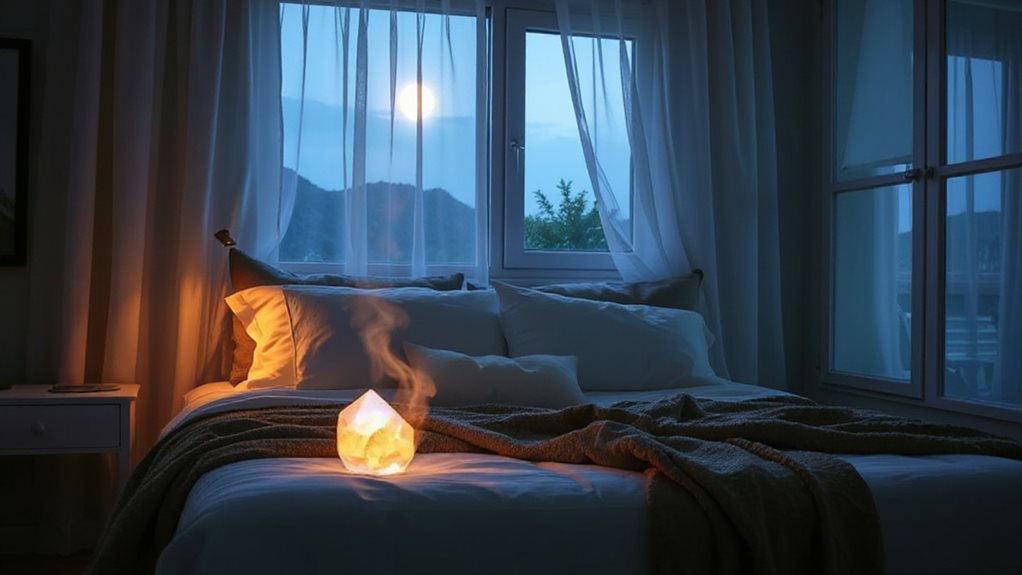
Nightmares and anxiety can disrupt sleep, leaving individuals feeling vulnerable and restless. Hypnosis offers a compassionate avenue for addressing these issues, allowing individuals to reframe traumatic experiences and cultivate a sense of safety. Through guided sessions, participants can learn to navigate their fears, transforming their mindset towards sleep.
| Technique | Purpose | Outcome |
|---|---|---|
| Guided Visualization | Create a peaceful mental space | Reduced anxiety |
| Suggestive Techniques | Reframe nightmares | Improved sleep quality |
| Relaxation Induction | Promote calmness | Enhanced emotional support |
| Trauma Reprocessing | Address past experiences | Increased sense of control |
| Affirmations | Build positive mindset | Long-term sleep improvement |
The Benefits of Hypnosis for Sleep Quality
As individuals seek solutions for better sleep quality, hypnosis emerges as a powerful tool that fosters relaxation and emotional healing. By guiding the mind into a deeply relaxed state, hypnosis can alleviate stress and anxiety, allowing for a smoother shift into sleep.
This therapeutic approach helps reframe negative thoughts and experiences, contributing to a more positive sleep environment. Additionally, clients often report waking refreshed and alert after sessions, indicating improved sleep quality.
The compassionate nature of hypnosis supports individuals in their journey toward restful nights, making it a valuable resource for those struggling with sleep challenges.
Tips for a Successful Sleep Hypnosis Session

Creating a conducive environment for a sleep hypnosis session can greatly enhance its effectiveness. Ensuring a quiet, comfortable space free from distractions fosters relaxation. Dim lighting and soft, soothing sounds can further calm the mind.
Establishing a warm, supportive atmosphere is essential; the subject should feel safe and at ease. It is also beneficial to set clear intentions for the session, focusing on specific issues like anxiety or nightmares.
Practicing deep breathing techniques beforehand can help both the practitioner and subject enter a more receptive state. Consistency in approach builds trust and maximizes the potential for transformative outcomes in sleep quality.
Frequently Asked Questions
Can Anyone Be Hypnotized for Sleep Improvement?
Many individuals can be hypnotized for sleep improvement, as the technique often establishes a supportive connection. Those receptive to suggestions may experience enhanced relaxation and reduced anxiety, fostering a more restful and rejuvenating sleep experience.
How Long Does a Typical Sleep Hypnosis Session Last?
A typical sleep hypnosis session lasts between 30 to 60 minutes. This duration allows for gradual induction, therapeutic exploration, and gentle guidance, ensuring the subject feels supported and relaxed throughout the experience for best sleep improvement.
Are There Any Side Effects of Sleep Hypnosis?
“Every rose has its thorn.” While sleep hypnosis typically lacks significant side effects, some may experience temporary drowsiness or emotional release. Understanding individual responses is essential, ensuring a supportive and informed approach to the practice.
How Often Should I Use Sleep Hypnosis for Best Results?
Frequency of sleep hypnosis sessions varies individually, but consistent use, such as several times a week, often yields the best results. This approach fosters deeper relaxation, improved sleep quality, and a greater sense of emotional well-being.
Can Sleep Hypnosis Help With Chronic Insomnia?
Sleep hypnosis can be a soothing balm for chronic insomnia, weaving a tapestry of relaxation. It gently guides the mind, alleviating anxiety and fostering a peaceful mindset, ultimately supporting restful nights and rejuvenated mornings.
Conclusion
Just as a gentle breeze can soothe a restless sea, sleep hypnosis offers a calming refuge for those maneuvering the turbulent waters of sleeplessness. By embracing this transformative technique, individuals can access the door to rejuvenating sleep, free from the weight of anxiety and nightmares. With the right guidance and practice, sleep hypnosis can become a cherished ally on the journey to restorative rest, fostering a sense of peace and well-being that resonates deeply within.