
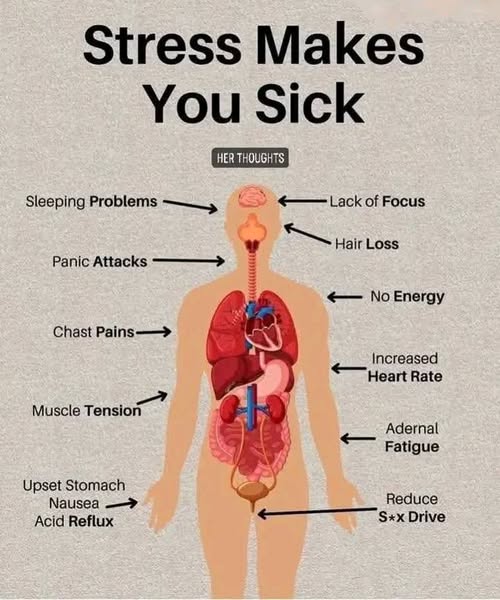
Stress Makes You Sick
 Stress can seriously impact your health. It triggers hormones like cortisol, leading to headaches, digestive issues, and sleep problems. Chronic stress can elevate your heart rate and blood pressure, increasing heart disease risk and making you more vulnerable to infections. Your mental health suffers too, with anxiety and depression often resulting from unmanageable stress. Recognizing how stress affects you is essential for your overall wellness. There are effective strategies to manage it that you’ll find useful.
The Biological Impact of Stress on Health
 Although stress is a common part of life, it can have serious biological consequences on your health. When you’re stressed, your body releases hormones like cortisol and adrenaline. These hormones prepare you for a fight-or-flight response, but prolonged exposure can lead to various issues.
You might experience headaches, digestive problems, or sleep disturbances. Chronic stress can elevate your heart rate and blood pressure, increasing the risk of heart disease. It also affects your mental well-being, leading to anxiety and depression.
Recognizing stress’s impact is essential for taking proactive steps to manage it and protect your overall health.
Stress and the Immune System: A Dangerous Connection
 When stress becomes a constant in your life, it can wreak havoc on your immune system. Your body’s response to stress triggers the release of hormones like cortisol, which can suppress immune function. This means you’re more susceptible to infections and illnesses.
You might notice that when you’re stressed, you catch colds more easily or take longer to recover. Additionally, chronic stress can lead to inflammation, further complicating your health.
Recognizing this dangerous connection is essential. By managing stress through techniques like mindfulness or exercise, you can strengthen your immune system and improve your overall well-being.
How Chronic Stress Contributes to Chronic Illness
 Chronic stress doesn’t just affect your mood; it can considerably contribute to chronic illnesses that impact your overall health.
When you’re under constant stress, your body releases hormones like cortisol that can lead to inflammation. This inflammation can trigger conditions such as heart disease, diabetes, and gastrointestinal disorders.
You might also notice that stress affects your sleep patterns, making fatigue and recovery difficult. In addition, chronic stress can weaken your immune system, leaving you more susceptible to infections.
Recognizing the link between stress and physical health is crucial for managing your well-being and preventing these serious health issues.
Mental Health: The Hidden Consequences of Stress
 Stress doesn’t just take a toll on your body; it can also greatly impact your mental health, often in ways that go unnoticed. You might find yourself feeling anxious, irritable, or even depressed without knowing why.
Stress can distort your perception, making challenges seem insurmountable and draining your motivation. Sleep disturbances often accompany stress, further exacerbating feelings of fatigue and hopelessness.
You may withdraw from social interactions, isolating yourself when you need support the most. Recognizing these hidden consequences is essential, as they can sneak up on you, creating a cycle that’s hard to break.
It’s important to pay attention to these signs.
Effective Strategies for Stress Management and Wellness
 Although life can often feel overwhelming, implementing effective strategies for stress management and wellness can make a significant difference in your daily experience.
Start by prioritizing self-care; regular exercise, a balanced diet, and sufficient sleep are vital. Mindfulness practices, like meditation and deep breathing, help ground you in the moment.
Don’t hesitate to connect with friends or support groups; sharing your feelings can lighten your burden. Setting boundaries at work and learning to say no are essential for maintaining your mental health.
Finally, consider seeking professional help when needed; a therapist can provide valuable tools and insights for managing stress effectively.
Frequently Asked Questions
Can Stress Affect My Digestion and Gut Health?
Yes, stress can definitely affect your digestion and gut health.
It can lead to issues like bloating, cramps, and even changes in your appetite.
Managing stress is vital for maintaining a healthy digestive system.
How Does Sleep Quality Relate to Stress Levels?
Sleep quality directly influences your stress levels.
When you’re well-rested, your body handles stress better, improving your mood and cognitive function.
Conversely, poor sleep can heighten stress, creating a cycle that’s hard to break.
Are Certain Personality Types More Susceptible to Stress?
Certain personality types, like perfectionists or those with high anxiety, often struggle more with stress.
You might find that your reactions to challenges can vary based on your inherent traits and coping mechanisms.
Can Stress Be Contagious in Social Situations?
Yes, stress can be contagious in social situations.
When you’re around anxious or stressed individuals, their emotions can influence you. You might find yourself feeling tense or uneasy, even if you weren’t initially stressed.
How Can Pets Help Reduce Stress?
Pets offer companionship, unconditional love, and comfort.
When you interact with them, their playful energy and affectionate nature can lift your mood, lower anxiety, and create a calming environment that helps you unwind and relax.
Conclusion
In conclusion, stress can seriously impact your health in various ways, from weakening your immune system to contributing to chronic illnesses. It’s essential to recognize the hidden effects stress can have on your mental well-being too. By adopting effective stress management strategies, you can reclaim your health and enhance your overall wellness. Remember, taking proactive steps to reduce stress isn’t just beneficial; it’s vital for living a healthier, happier life. Make self-care a priority!
Take the Next Step, Make An Appointment

Do not be afraid to reach out to me, Mark , to assist you in any issues you might have. Need a good listener or someone to confidentially talk too? . Life Coaching is 45 minute session, once a week.
Self-Hypnosis is taught in one session, individual sessions or in a group, and lasts a lifetime. Most Hypnotherapy sessions including Age regression last 2 hours and EFT Sessions are usually handled with a one hour session
To make an appointment, first listen to the Pre-talk and fill out the Complementary Healthcare Provider Disclosure. The use the Contact Form to request an appointment with, Mark, The Bohol Hypnosis Expert.
Self-help downloads are available to help you with specific problems. The self-hypnosis program to teach you how to self-hypnotize yourself is available here.