


Mastering the art of self-hypnosis involves honing focused attention and enhancing suggestibility. Practitioners should set clear goals to guide their efforts, whether for personal development or performance enhancement. Identifying and overcoming mental barriers is essential, as many limitations stem from subconscious preferences. Effective techniques include using deepeners and specific induction methods. Consistent practice reinforces the skills learned, while engaging with community support can offer valuable insights and resources. This journey reveals greater possibilities for personal growth and mental clarity.
Key Takeaways
- Set clear goals for your self-hypnosis practice to maintain focus and motivation throughout your sessions.
- Utilize effective techniques such as deepeners, induction methods, and guided imagery to enhance your hypnotic experience.
- Regularly practice self-hypnosis to build familiarity and overcome mental barriers that may hinder progress.
- Engage with a supportive community to share experiences and gain insights from others on their self-hypnosis journeys.
- Embrace discomfort and uncertainty during sessions to facilitate personal growth and the dismantling of self-imposed limitations.
Understanding the Basics of Self-Hypnosis

A fundamental understanding of self-hypnosis is essential for anyone seeking to harness its potential for personal growth and improvement.
Self-hypnosis involves entering a state of focused attention and heightened suggestibility, facilitating relaxation and mental clarity. This practice is not a medical treatment, but rather a tool for enhancing personal development.
Techniques often include guided imagery and verbal cues, which can be self-administered or conducted by a trained professional.
Setting Clear Goals for Your Practice
Establishing clear goals is essential for individuals commencing on the journey of self-hypnosis, as these objectives provide a roadmap for the practice.
Clear goals are vital for self-hypnosis, acting as a roadmap that guides practitioners toward successful outcomes.
By defining specific targets, practitioners can enhance their focus and motivation.
Effective goal-setting may include:
- Increasing self-confidence in personal and professional contexts.
- Achieving specific weight loss or fitness milestones.
- Enhancing performance in sports or artistic endeavors.
- Fostering creativity for writing or other artistic pursuits.
- Releasing potential for personal achievements and growth.
With a structured approach, clear goals can greatly improve the likelihood of success in self-hypnosis, guiding individuals toward their desired outcomes.
Identifying and Overcoming Mental Barriers

How can individuals effectively identify and overcome the mental barriers that hinder their progress in self-hypnosis?
Recognizing self-imposed limitations is essential; these often stem from the subconscious, which resists change due to a preference for the familiar. Individuals must confront their excuses and acknowledge the emotions tied to their habitual behaviors.
By fostering self-awareness and reflection, they can begin to dismantle these barriers. Establishing a supportive environment, whether through community resources or personal strategies, further aids in this process.
Ultimately, embracing discomfort and uncertainty is vital for facilitating growth and progress in self-hypnosis endeavors.
Exploring Effective Self-Hypnosis Techniques
Overcoming mental barriers lays the groundwork for effective self-hypnosis techniques. Practitioners can utilize various methods to enhance their experience and outcomes.
Key techniques include:
- Using deepeners to intensify the hypnotic state.
- Focusing on one specific issue during sessions.
- Conducting suggestibility tests to gauge readiness.
- Implementing induction methods to ease into trance.
- Accessing a variety of resources, such as audio aids and online tutorials.
These strategies promote a tailored approach, allowing individuals to align self-hypnosis practices with their unique goals and needs.
Ultimately, fostering a deeper connection to their subconscious mind for personal growth.
The Importance of Consistency and Practice

While commencing on the journey of self-hypnosis, consistency and practice emerge as pivotal elements for achieving desired outcomes.
Regular engagement with self-hypnosis techniques fosters familiarity and enhances effectiveness, as the mind becomes more adept at entering a relaxed state. This discipline not only reinforces positive changes but also helps in overcoming mental barriers that may arise.
Regular practice of self-hypnosis cultivates familiarity, enhancing relaxation and overcoming mental barriers for lasting positive change.
Practicing consistently allows individuals to refine their skills, tailor their approaches, and measure progress effectively.
Ultimately, the dedication to practice cultivates a deeper connection with one’s subconscious, enabling a more profound transformation and realization of personal goals within the self-hypnosis framework.
Engaging With Community Support and Resources
Building a routine of consistent practice in self-hypnosis can be greatly enhanced by engaging with community support and resources. Such interactions provide valuable insights and encouragement, fostering a more profound understanding of self-hypnosis.
Key benefits include:
- Access to diverse self-hypnosis techniques
- Participation in community forums for shared experiences
- Feedback from seasoned practitioners on personal progress
- Opportunities for workshops and guided sessions
- Availability of supportive materials and resources
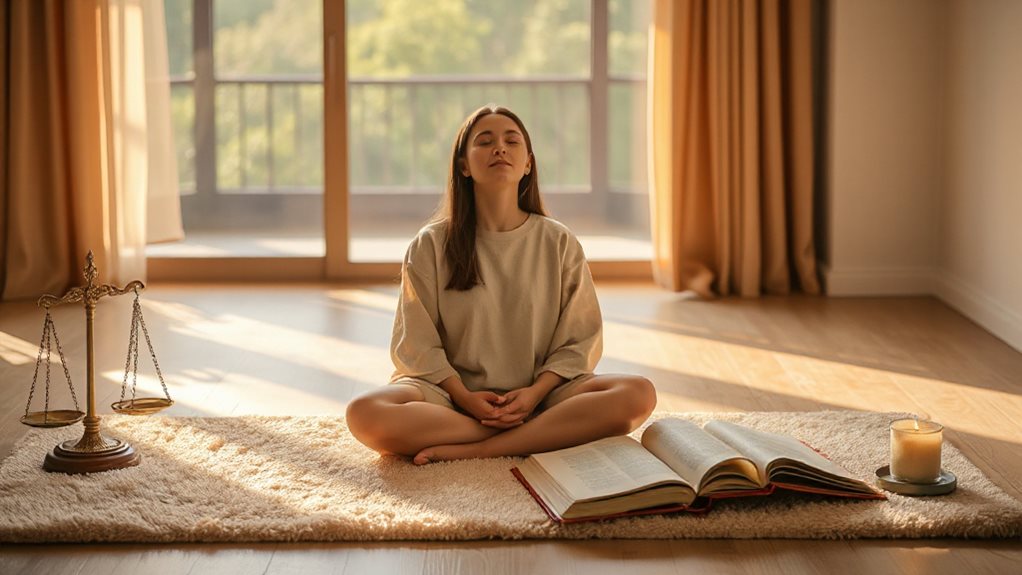
How can individuals guarantee they engage in self-hypnosis responsibly and ethically? Awareness of legal and ethical standards is essential. Practitioners should make certain they are not misleading themselves or others regarding self-hypnosis capabilities. The following table outlines key considerations:
| Legal Considerations | Ethical Considerations |
|---|---|
| Non-medical classification | Transparency in techniques |
| Adherence to guidelines | Respect for personal boundaries |
| Informed consent | Avoiding undue pressure |
| Data privacy | Promoting well-being |
| Age restrictions | Cultural sensitivity |
Frequently Asked Questions
Can Self-Hypnosis Be Harmful or Lead to Negative Experiences?
Self-hypnosis, when practiced responsibly, is generally safe; however, negative experiences may arise from improper techniques or unaddressed emotional issues. Individuals should approach it with caution, ensuring they understand personal limitations and seek guidance if needed.
How Long Does It Take to See Results From Self-Hypnosis?
Many individuals notice positive changes within weeks of consistent practice. For example, a person aiming to reduce anxiety may find relief after several sessions, though results vary based on commitment, techniques used, and personal goals.
What Should I Do if I Can’t Enter a Hypnotic State?
If one struggles to enter a hypnotic state, it may help to reassess relaxation techniques, reduce distractions, and practice consistently. Seeking guidance from a professional can provide tailored strategies for overcoming obstacles in achieving hypnosis.
Is Self-Hypnosis Suitable for Everyone, Including Children?
Self-hypnosis may not be suitable for everyone, including children, due to varying levels of cognitive maturity and susceptibility. Individual circumstances and goals should be considered, ideally under professional guidance to guarantee safety and effectiveness.
Can I Record My Own Self-Hypnosis Sessions for Personal Use?
Research indicates that nearly 70% of individuals find self-recorded sessions enhance their hypnosis experience. Recording personal sessions can be beneficial, allowing tailored suggestions and fostering deeper engagement with the practice while ensuring consistent reinforcement of goals.
Conclusion
Mastering self-hypnosis empowers individuals to transform their lives, cultivate resilience, and embrace personal growth. By understanding the basics, setting clear goals, and overcoming mental barriers, practitioners can release their true potential. Through consistent practice and community engagement, they can navigate challenges and celebrate successes. Ultimately, self-hypnosis stands as a gateway to self-discovery, a pathway to fulfillment, and a means to harness the power of the mind for lasting change and profound well-being.