
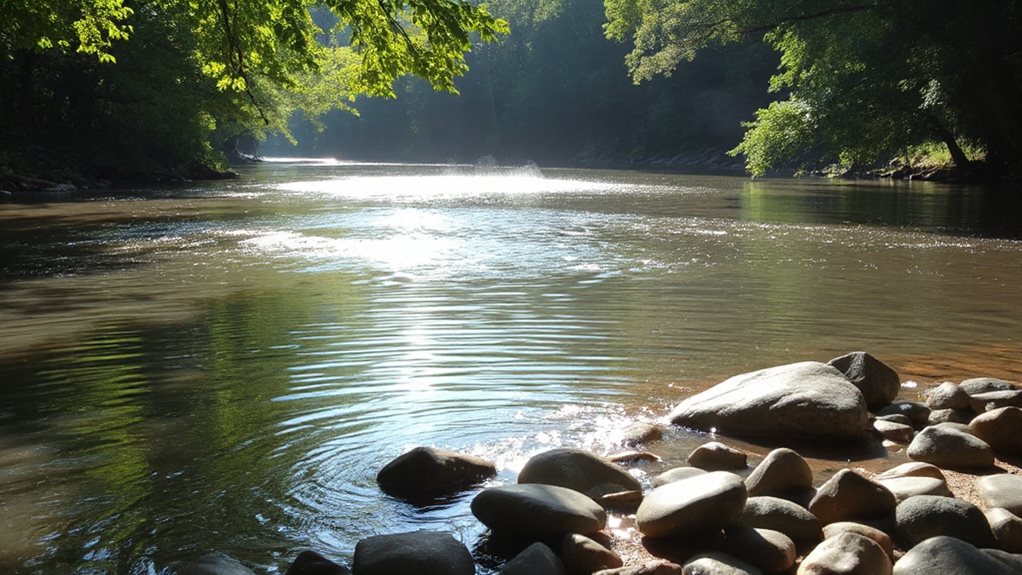
River hypnosis serves as a powerful technique for stress management. By visualizing a serene river, individuals experience profound relaxation and a sense of calm. This method allows for the release of worries, alleviating anxiety and fostering mental clarity. It integrates creative visualization and breath awareness, making it a holistic approach to coping with stress. Those seeking methods to restore balance can find deeper insights into this transformative practice and its benefits for well-being.
Key Takeaways
- River hypnosis uses visualization techniques to create a serene mental landscape that promotes relaxation and stress relief.
- The flowing river imagery helps individuals let go of worries, alleviating anxiety and fostering calmness.
- This technique enhances mental clarity and focus, allowing for better emotional regulation during stressful situations.
- Incorporating nature imagery in river hypnosis encourages a deeper connection to relaxation and overall well-being.
- Practicing river hypnosis can empower individuals to reclaim control over their stress responses and improve coping mechanisms.
Understanding Stress and Its Impact on Health
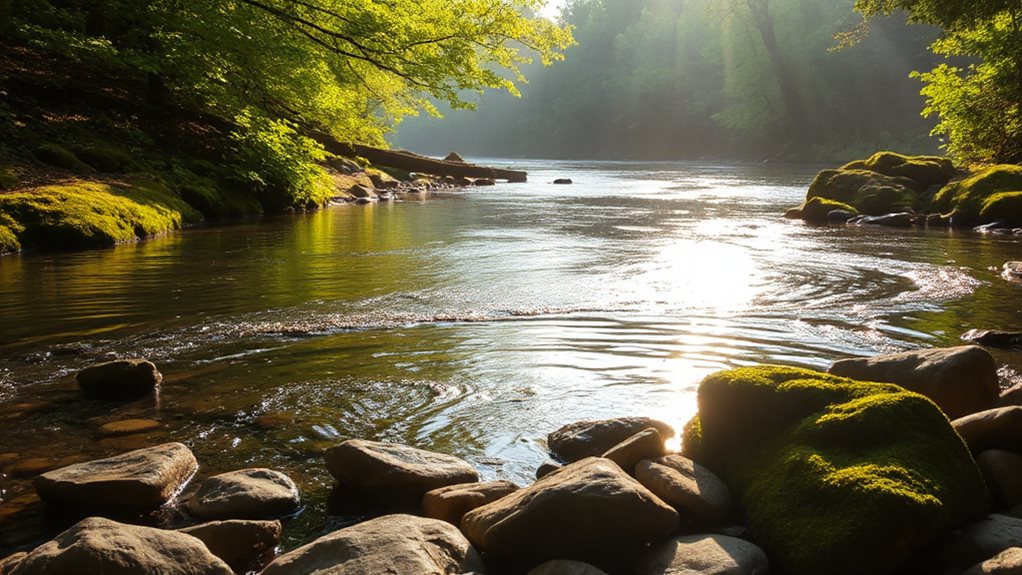
Although stress is a common aspect of modern life, its profound impact on health is often underestimated. Chronic stress has been linked to severe health conditions, including heart disease, hypertension, and stroke.
It can also weaken the immune system, making individuals more susceptible to illness. The psychological toll of stress manifests as anxiety and depression, affecting overall well-being and quality of life.
Understanding the multifaceted nature of stress is essential, as it reveals the need for effective management strategies. By addressing stress proactively, individuals can foster resilience and promote healthier lifestyles, ultimately enhancing physical and mental health outcomes.
The Benefits of Hypnotherapy for Stress Management
Chronic stress, with its profound effects on physical and mental health, underscores the need for effective management strategies.
Hypnotherapy offers a unique approach by facilitating deep relaxation and promoting a heightened state of awareness. This therapeutic technique allows individuals to access their subconscious, helping to reframe negative thought patterns and cultivate resilience against stress.
Additionally, hypnotherapy enhances emotional regulation, enabling clients to respond to stressors more effectively. By reducing anxiety and fostering a sense of calm, hypnotherapy contributes to improved overall well-being and empowers individuals to reclaim control over their lives, leading to healthier coping mechanisms and enhanced quality of life.
Exploring the River Hypnosis Technique

As individuals seek effective methods for managing stress, the River Hypnosis technique emerges as a compelling option that harnesses the power of creative visualization. This technique invites participants to mentally immerse themselves in a serene river setting, promoting relaxation and mental clarity. The following table outlines key elements of the River Hypnosis technique:
| Element | Description | Purpose |
|---|---|---|
| Visualization | Imagining a flowing river | Enhances relaxation |
| Mental Space | Creating a tranquil mental landscape | Recharges energy |
| Stress Release | Letting go of worries | Alleviates anxiety |
Creative Visualization and Its Role in Relaxation
Creative visualization serves as a powerful tool in the domain of relaxation, enabling individuals to escape the pressures of daily life and reconnect with their inner calm. This technique allows practitioners to create vivid mental images that foster tranquility and balance.
Creative visualization is a transformative practice that helps individuals find peace and restore balance amidst life’s chaos.
The following elements enhance the experience of creative visualization for relaxation:
- Nature Imagery: Envision serene landscapes, like flowing rivers or lush forests.
- Breath Awareness: Incorporate deep, rhythmic breathing to anchor the visualization.
- Guided Imagery: Use scripts or recordings to facilitate the visualization process.
- Positive Affirmations: Reinforce relaxation with supportive affirmations during the exercise.
Additional Resources for Stress Relief Strategies
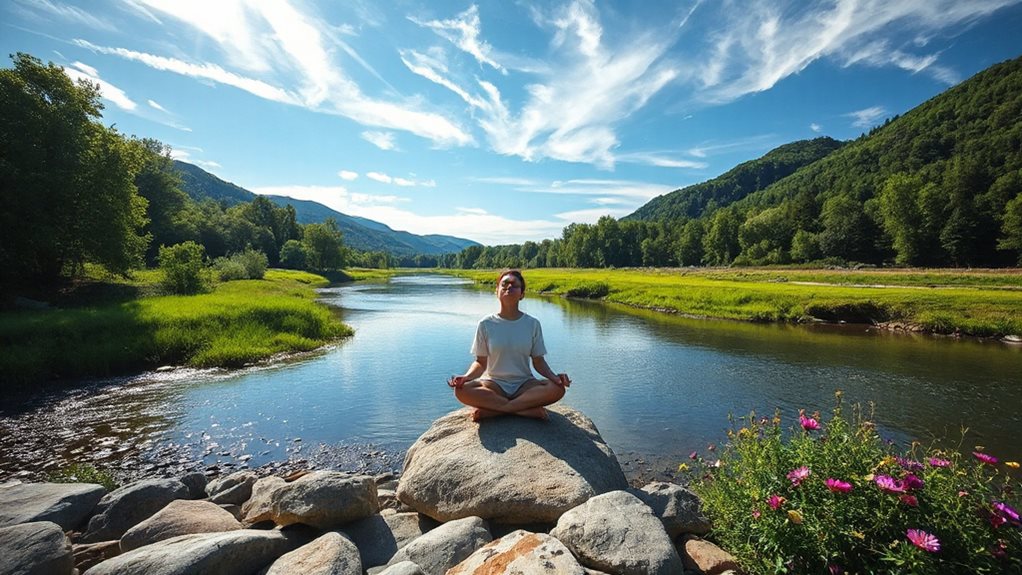
Access to additional resources for stress relief strategies can greatly enhance an individual’s ability to manage stress effectively.
A wealth of options exists, including various hypnotherapy scripts, ranging from “Blow Away Stress” to “Wash Away Stress,” each offering unique techniques tailored to different stressors.
Moreover, practitioners can benefit from training courses and insightful articles on hypnotherapy. Engaging with community forums fosters support and shared experiences, providing valuable feedback.
Frequently Asked Questions
How Long Does a Typical River Hypnosis Session Last?
A typical river hypnosis session generally lasts between 30 to 60 minutes. This duration allows practitioners to guide clients effectively through visualization techniques, facilitating relaxation and helping them achieve a state of mental clarity and tranquility.
Can River Hypnosis Be Used for Children?
Could the serene waves of river hypnosis soothe a child’s worries? While adaptable, care must be taken; practitioners should consider age-appropriate techniques, ensuring a gentle, supportive approach to foster relaxation and emotional well-being in younger clients.
Is Prior Experience With Hypnosis Necessary?
Prior experience with hypnosis is not necessary for effective participation. Individuals can engage with hypnotherapy regardless of their background, as practitioners tailor sessions to accommodate diverse needs and comfort levels, ensuring a supportive environment for all.
What Should I Do After the Session?
After the session, individuals should take time to reflect on their experiences, hydrate, and engage in light activities. Allowing oneself to unwind and process the session enhances the overall benefits and fosters long-term well-being.
How Often Should I Practice River Hypnosis?
Practicing river hypnosis regularly, such as twice weekly, can help individuals like Sarah, who found relief from overwhelming stress. Consistency fosters deeper relaxation, enhancing emotional resilience and promoting overall well-being in daily life.
Conclusion
In the gentle embrace of the river’s flow, stress dissipates like fallen leaves carried away by the current. This metaphorical journey invites individuals to shed their burdens, fostering renewal and tranquility. As the waters of the mind settle, clarity emerges, reflecting the serene landscape of a peaceful soul. Embracing the River Hypnosis technique offers not just a retreat from the chaos of daily life, but a pathway to resilience, inviting each person to navigate their inner world with grace and ease.