


Hypnosis can be an effective strategy for managing White Coat Hypertension, which is often caused by anxiety during medical visits. By inducing relaxation and reducing anxiety, hypnosis helps to lower heart rates and improve overall health control. Visualization techniques further support this approach by promoting calming mental imagery, leading to better blood pressure regulation. Engaging in hypnotherapy not only empowers individuals but also encourages healthier habits. There are many resources available for those interested in exploring this method further.
Key Takeaways
- Hypnosis effectively reduces anxiety linked to medical visits, helping manage White Coat Hypertension.
- Visualization techniques during hypnosis promote relaxation by envisioning calming scenarios.
- Regular hypnosis sessions can empower individuals, leading to lower blood pressure readings.
- Utilizing hypnosis encourages proactive engagement in health management and treatment.
- Reliable resources and communities, like Hypnotic World, enhance the effectiveness of hypnotherapy for anxiety and blood pressure control.
Understanding White Coat Hypertension

White Coat Hypertension serves as a perplexing phenomenon for both patients and healthcare providers, characterized by elevated blood pressure readings specifically during medical visits.
This condition, often linked to anxiety surrounding medical procedures, manifests even in individuals who do not consciously fear healthcare settings. Unconscious anxiety markedly influences blood pressure regulation, leading to inaccurate assessments of a patient’s cardiovascular health.
Understanding this psychological aspect is essential for effective management, as it highlights the need for interventions that address anxiety. Techniques such as relaxation strategies may prove beneficial, fostering a calmer environment that can help mitigate this transient elevation in blood pressure.
The Role of Hypnosis in Relaxation
Elevated blood pressure readings during medical visits can often be attributed to underlying anxiety, prompting the need for effective relaxation strategies.
Hypnosis serves as a valuable tool for inducing relaxation by:
- Reducing anxiety through focused attention, which helps lower heart rates.
- Encouraging a state of calm, allowing individuals to better manage stress responses.
- Promoting a sense of control, empowering patients to engage positively with their health.
Research supports the efficacy of hypnosis in facilitating relaxation, making it a promising approach to alleviate the impact of White Coat Hypertension and fostering a more peaceful medical experience.
Visualization Techniques for Blood Pressure Control
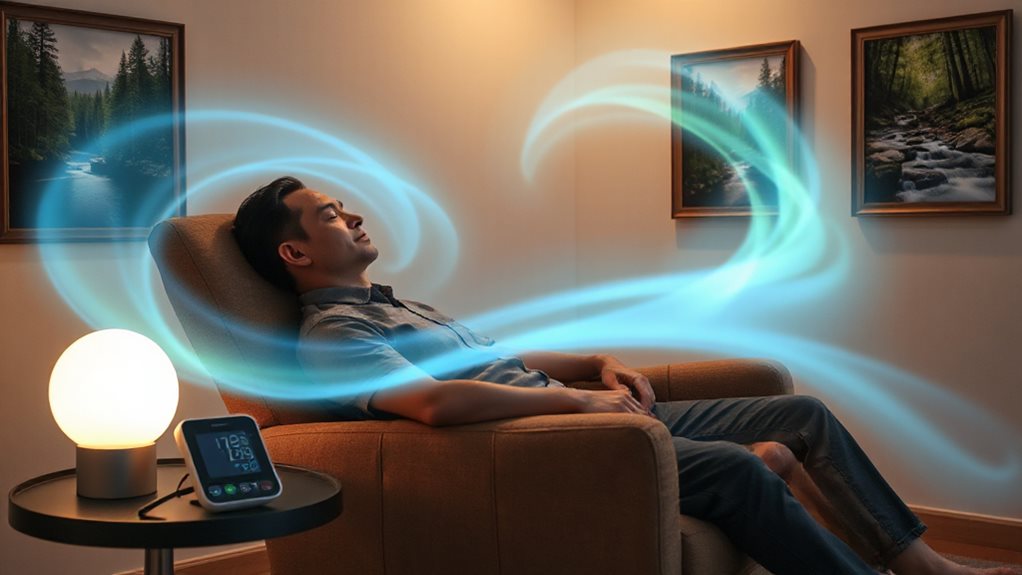
Visualization techniques offer a powerful method for individuals seeking to manage their blood pressure effectively. By mentally envisioning calming scenarios—such as a serene landscape or a peaceful moment—individuals can reduce anxiety associated with medical environments.
Research supports that these mental imagery practices can lower heart rates and promote relaxation, leading to more stable blood pressure readings. Additionally, integrating positive affirmations during visualization enhances feelings of control and well-being.
As individuals engage in these techniques, they may find a significant reduction in the physiological responses triggered by anxiety, ultimately aiding in the management of White Coat Hypertension.
Benefits of Hypnosis for Health Management
While many individuals struggle with anxiety related to health care, hypnosis emerges as a valuable tool for health management, providing significant benefits beyond mere relaxation.
This therapeutic approach can enhance overall well-being through:
- Reduction of Anxiety: Hypnosis helps alleviate the stress associated with medical visits, contributing to lower blood pressure readings.
- Empowerment: Individuals gain a sense of control over their health, promoting proactive engagement in treatment.
- Lifestyle Improvement: Hypnosis encourages healthier habits, facilitating better long-term health outcomes.
Finding Support and Resources for Hypnotherapy

As individuals seek to manage their health through hypnotherapy, finding reliable support and resources becomes essential for effective practice.
Various platforms, such as Hypnotic World, offer a wealth of scripts tailored to health-related anxieties, including White Coat Hypertension. Feedback from users indicates a strong sense of community and satisfaction, highlighting the importance of shared experiences and expert guidance.
Additionally, resources categorized by themes guarantee that practitioners can address specific issues efficiently.
Frequently Asked Questions
How Long Does a Typical Hypnosis Session Last?
A typical hypnosis session generally lasts between 30 to 60 minutes. This duration allows sufficient time for relaxation, visualization, and addressing specific concerns, fostering an effective experience for clients seeking to alleviate anxiety or discomfort.
Can Hypnosis Be Used for Other Health Issues?
Research indicates that approximately 70% of individuals experience anxiety related to health issues. Hypnosis can effectively address various conditions, including stress management, pain relief, and phobias, promoting relaxation and facilitating healthier lifestyle choices.
Is Hypnosis Safe for Everyone to Try?
Hypnosis is generally considered safe for most individuals, though those with severe mental health issues or certain medical conditions should consult professionals. Informed consent and professional guidance enhance safety and effectiveness during hypnosis sessions.
How Can I Practice Relaxation Techniques at Home?
In the serene garden of self-care, practicing relaxation techniques at home can bloom through deep breathing, guided imagery, and mindful meditation. Evidence supports their effectiveness in reducing anxiety and enhancing emotional well-being, fostering a tranquil mind.
Are There Any Side Effects of Using Hypnosis?
Hypnosis generally has minimal side effects, with most individuals experiencing relaxation. However, some may encounter discomfort or emotional release during sessions. It is essential to consult a qualified practitioner to guarantee a safe and effective experience.
Conclusion
To sum up, hypnosis serves as a soothing balm for the anxieties that elevate blood pressure in medical settings, akin to a gentle wave washing over a rocky shore. By fostering relaxation and empowering individuals with visualization techniques, it addresses the underlying psychological factors of White Coat Hypertension. As awareness grows and resources become more accessible, hypnosis emerges as an essential tool in enhancing well-being and transforming the often-stressful experience of medical visits into a more manageable one.