


Relaxation hypnosis effectively addresses the psychological roots of anxiety. Techniques such as guided imagery and deep diaphragmatic breathing promote emotional healing and relaxation. Through hypnotherapy, individuals can reframe negative thought patterns associated with guilt and fear, which often exacerbate anxiety symptoms. Many clients report a significant reduction in anxiety triggers and improved overall well-being. This holistic approach not only alleviates anxiety but also encourages a compassionate understanding of one’s emotions, leading to long-term management strategies. Further insights await those who explore the journey of hypnotherapy.
Key Takeaways
- Relaxation hypnosis utilizes guided imagery to create calming mental environments, reducing anxiety levels effectively.
- Techniques like progressive muscle relaxation systematically release tension, promoting a deeper state of relaxation.
- Deep diaphragmatic breathing is integral in slowing the heart rate, enhancing overall relaxation during anxiety episodes.
- Affirmations used in hypnosis help to reinforce positive thinking, counteracting negative thought patterns associated with anxiety.
- Client testimonials highlight significant improvements in anxiety management, self-compassion, and overall well-being through relaxation hypnosis.
Understanding Substance-Induced Anxiety Disorder
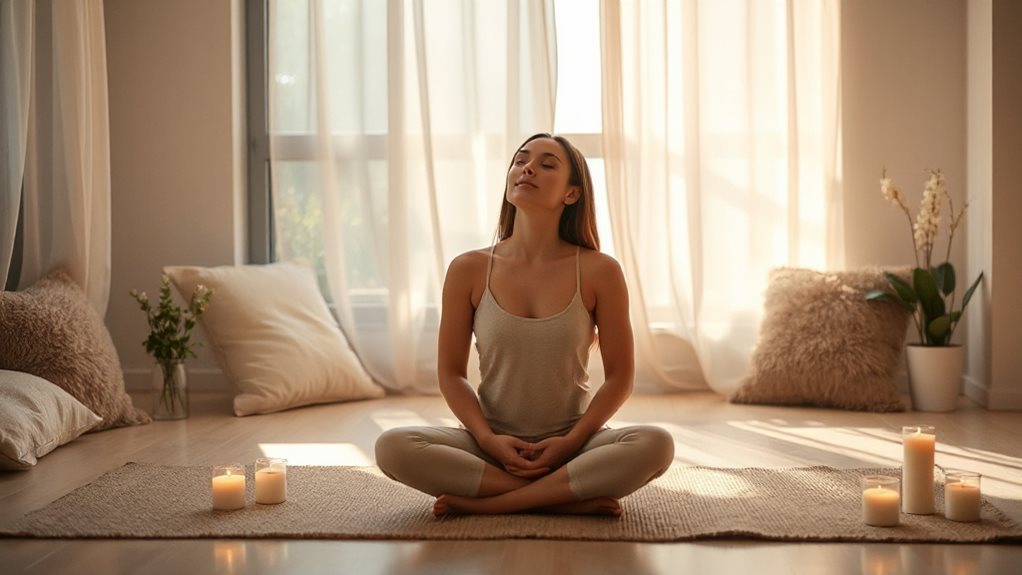
Substance-Induced Anxiety Disorder represents a complex interplay between drug use and psychological distress. Long-term drug consumption can yield significant side effects, including anxiety that may surface even after a single use of recreational drugs.
Symptoms can persist long after cessation, often without an identifiable cause, leading individuals to grapple with feelings of guilt and fear concerning potential long-term damage. This psychological burden exacerbates anxiety, illustrating the need for a compassionate understanding of the disorder.
Addressing physical symptoms medically is essential before exploring therapeutic avenues, emphasizing the importance of a holistic approach to treatment and recovery.
The Role of Hypnotherapy in Alleviating Anxiety
While traditional therapeutic methods often focus on cognitive-behavioral approaches, hypnotherapy emerges as a promising alternative for alleviating anxiety, particularly in individuals with a history of substance use. This approach addresses the psychological roots of anxiety, helping clients modify negative thought patterns and manage feelings of guilt and fear.
| Benefits of Hypnotherapy | Mechanisms Involved | Target Outcomes |
|---|---|---|
| Reduces anxiety symptoms | Induces relaxation | Improved emotional well-being |
| Enhances self-awareness | Modifies negative thoughts | Increased coping strategies |
| Supports emotional healing | Accesses subconscious | Long-term anxiety management |
| Facilitates relaxation | Promotes mindfulness | Reduced stress levels |
Techniques for Relaxation Through Hypnosis

To effectively promote relaxation through hypnosis, practitioners utilize a range of techniques designed to engage the subconscious mind and facilitate a state of deep relaxation.
Common methods include guided imagery, where individuals visualize calming scenes, and progressive muscle relaxation, which systematically releases tension from the body.
Breathing exercises, particularly deep diaphragmatic breathing, further enhance relaxation by slowing the heart rate.
Additionally, practitioners may employ affirmations to reinforce positive thought patterns.
Research supports these techniques as effective in reducing anxiety levels, indicating that such methods not only promote immediate relaxation but also contribute to long-term mental well-being when practiced regularly.
Addressing Guilt and Fear in Anxiety Management
Effective anxiety management often necessitates addressing underlying feelings of guilt and fear that can exacerbate symptoms.
Research indicates that guilt, particularly related to past behaviors, can intensify anxiety, leading individuals to ruminate on perceived failures.
Fear, especially regarding potential long-term consequences from substance use, may create a cycle of anxiety that is difficult to break.
Acknowledging these emotions allows for a more thorough understanding of anxiety’s roots.
Hypnotherapy can serve as a supportive tool in this process, helping clients reframe negative thought patterns and cultivate self-compassion, ultimately reducing the grip of guilt and fear on their mental well-being.
Client Experiences and Testimonials on Hypnotherapy

Client testimonials reveal a spectrum of experiences with hypnotherapy, often highlighting its role in alleviating anxiety. Many clients express profound relief, indicating a shift in their mental landscape.
Their narratives frequently note:
- A newfound sense of calm in overwhelming situations.
- Reduced feelings of guilt and self-doubt.
- Enhanced ability to manage anxiety triggers.
- Improved sleep quality and overall well-being.
- A supportive community that fosters shared healing.
These insights illustrate the potential of hypnotherapy as a valuable tool, promoting relaxation and encouraging positive thought patterns, ultimately contributing to a more balanced emotional state.
Frequently Asked Questions
How Long Does a Typical Hypnotherapy Session Last?
A typical hypnotherapy session generally lasts between 45 to 90 minutes. This duration allows sufficient time for relaxation, exploration of underlying issues, and the implementation of therapeutic techniques, fostering an effective and supportive environment for clients.
Is Hypnotherapy Safe for Everyone?
Is hypnotherapy safe for everyone? While generally considered safe, individual responses vary. Factors, such as mental health status and willingness, play significant roles. Understanding personal circumstances is essential for determining suitability and ensuring a supportive experience.
Can I Practice Self-Hypnosis at Home?
Self-hypnosis can be practiced at home, provided individuals understand techniques and maintain a safe environment. Research supports its effectiveness for relaxation and anxiety management, but initial guidance from a trained professional is often beneficial.
What Should I Expect During a Hypnotherapy Session?
In the domain of hypnotherapy, individuals can expect a journey into relaxation, where guided techniques foster a safe environment. This process aims to alleviate anxiety symptoms through deep focus, ultimately leading to enhanced self-awareness and emotional relief.
How Many Sessions Are Usually Needed for Relief?
Determining the number of sessions required for relief often varies based on individual responses and severity of symptoms. Typically, several sessions may be necessary, as progress can depend on the client’s engagement and personal circumstances.
Conclusion
In the grand tapestry of anxiety management, relaxation hypnosis emerges as a beacon of hope, illuminating the path for countless individuals grappling with the shadows of substance-induced anxiety disorder. While it may not possess the mythical power to eradicate fear entirely, its profound ability to reshape negative thought patterns and cultivate tranquility offers a lifeline. As clients commence on this transformative journey, they discover not only solace but a renewed sense of agency, steering through the tumultuous seas of anxiety with newfound resilience.