Breaking free from the wine o’clock habit requires awareness of its health impacts and finding healthier relaxation alternatives. Establishing new routines, like mindfulness practices or hobbies, can replace drinking rituals. It’s beneficial to set clear goals and build a supportive network to foster accountability. Additionally, exploring hypnosis may help reshape one’s relationship with alcohol. Embracing these strategies leads to a balanced lifestyle and deeper self-connection, revealing further insights on this journey ahead.
Key Takeaways
- Replace the wine ritual with fulfilling activities like reading or painting to create new, positive habits.
- Practice mindfulness techniques, such as meditation, to manage stress without relying on alcohol.
- Set specific goals for reducing alcohol intake to foster accountability and track progress.
- Build a supportive network of friends or family who encourage your commitment to healthier choices.
- Explore non-alcoholic beverages and herbal teas as enjoyable alternatives for relaxation moments.
Understanding the Wine O’Clock Habit
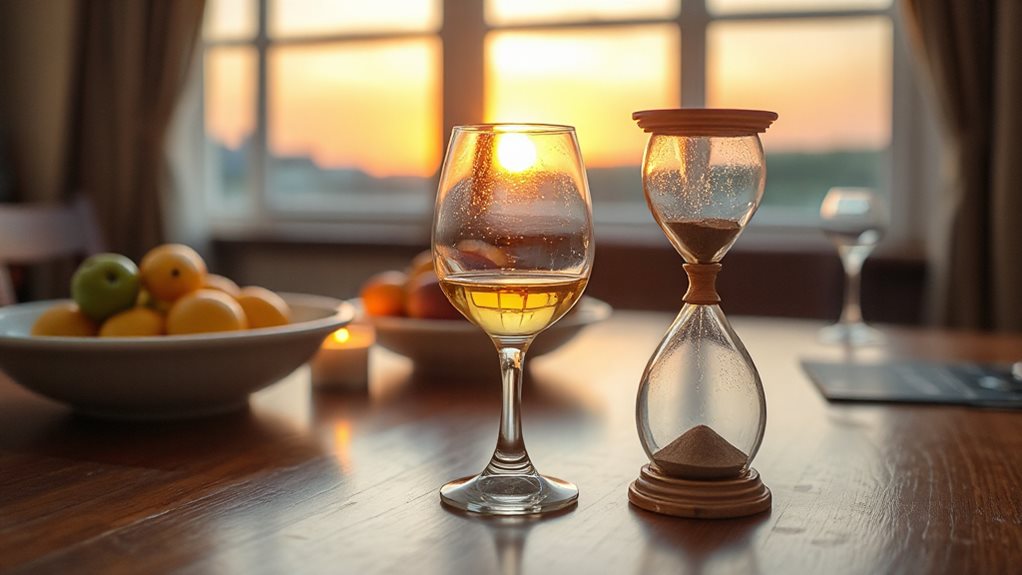
What drives individuals to embrace the Wine O’Clock habit at the end of a long day? For many, it serves as a cherished ritual, a moment of reprieve from daily stressors and responsibilities.
The act of pouring a glass of wine transforms into a symbolic reward for hard work, particularly for women balancing careers and family duties. This habit provides a sense of relaxation and connection, allowing individuals to unwind and recharge.
However, recognizing the emotional ties to this practice is essential. Cultivating healthier coping mechanisms can empower individuals to find balance and fulfillment beyond the confines of their wine-filled glass.
The Impact of Alcohol on Health
The allure of the Wine O’Clock habit often masks the potential health risks associated with regular alcohol consumption.
Research indicates that excessive drinking can lead to a range of health issues, including liver disease, cardiovascular problems, and mental health disorders.
Excessive drinking poses significant health risks, including liver disease, cardiovascular issues, and mental health disorders.
The World Health Organization recommends limiting intake to no more than 14 units per week, highlighting the importance of moderation.
While many view this habit as a well-deserved reward, understanding its impact on overall well-being can inspire individuals to reconsider their choices.
Recognizing these risks is an essential step towards fostering a healthier lifestyle and achieving long-term wellness.
Strategies to Break the Habit
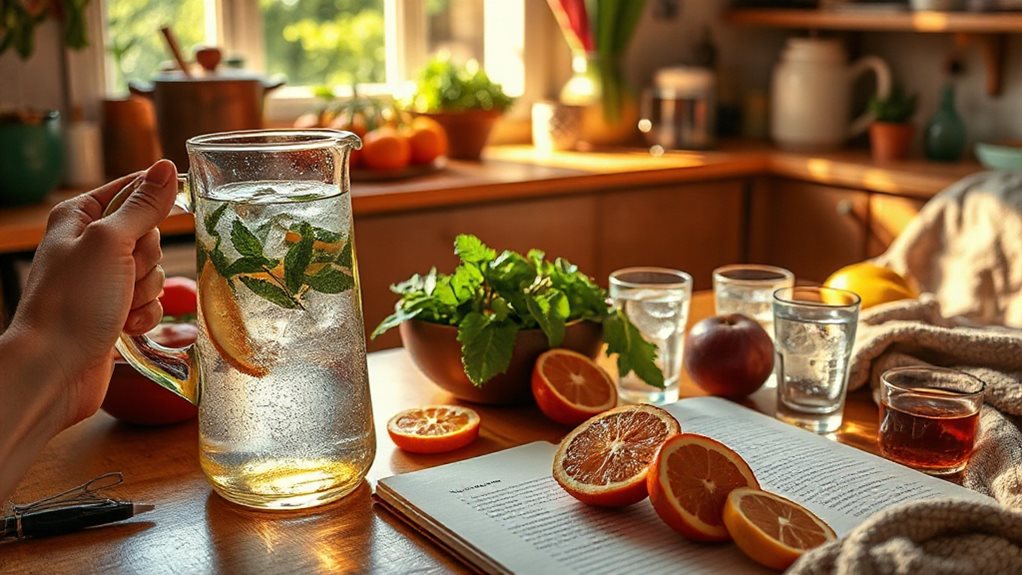
Breaking the Wine O’Clock habit requires intentional strategies that empower individuals to reclaim their lives and make healthier choices.
Establishing a routine can help replace the drinking ritual with more fulfilling activities, such as exercise or hobbies. Mindfulness practices, like meditation, can reduce stress and curb the urge to drink.
Setting clear goals, such as limiting alcohol days, fosters accountability. Building a supportive network of friends or joining groups can provide encouragement during challenging moments.
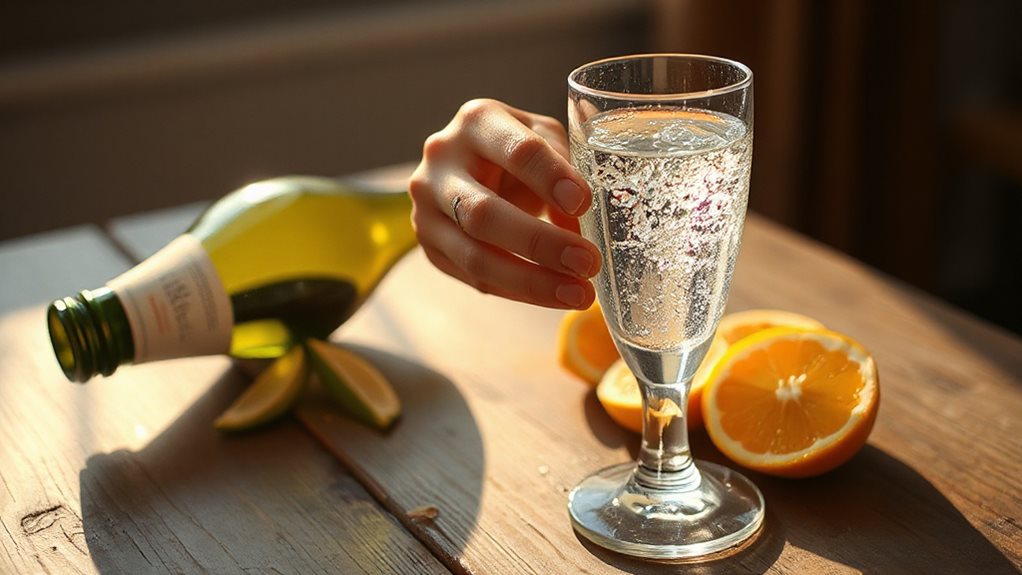
Exploring non-alcoholic alternatives offers satisfying substitutes, making social occasions enjoyable without alcohol.
These proactive steps can guide individuals towards a healthier, more balanced lifestyle.
The Role of Hypnosis in Overcoming Alcohol Dependency
While many individuals struggle with alcohol dependency, hypnosis offers a unique approach to breaking free from these patterns. This method targets the subconscious, helping clients reframe their relationship with alcohol. Through guided sessions, individuals can uncover triggers and develop healthier coping mechanisms.
| Benefits of Hypnosis | How It Helps |
|---|---|
| Reduces cravings | Alters subconscious thought patterns |
| Increases self-awareness | Encourages mindfulness and reflection |
| Enhances motivation | Reinforces commitment to change |
| Promotes relaxation | Provides alternative stress relief |
| Supports long-term recovery | Builds resilience against triggers |
Embracing Healthier Alternatives for Relaxation
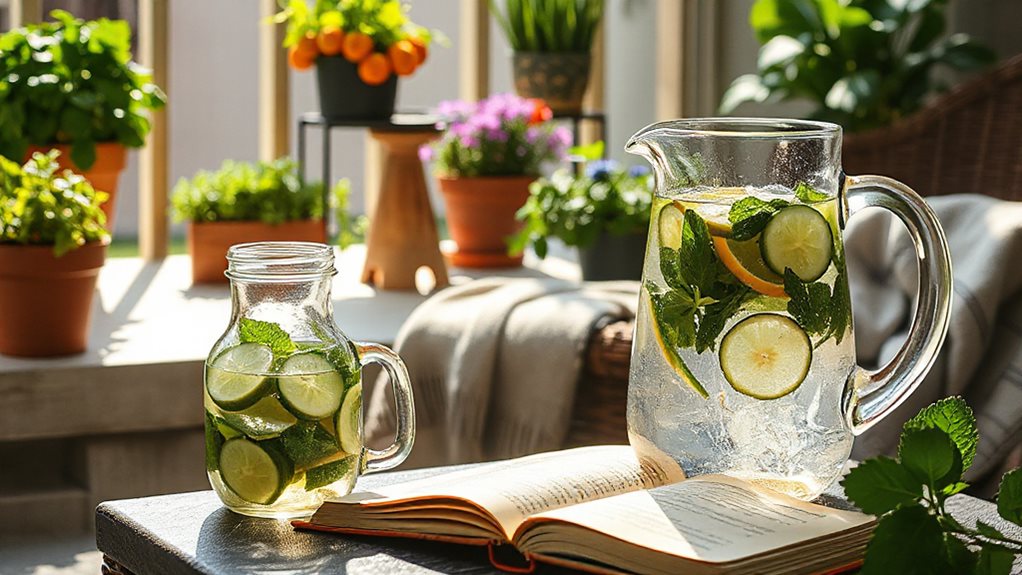
Exploring healthier alternatives for relaxation can greatly improve overall well-being and help individuals break free from the wine O’Clock habit.
Activities such as yoga, meditation, or even a leisurely walk can provide effective stress relief without the negative effects of alcohol. Engaging in hobbies like painting, gardening, or reading can also serve as fulfilling substitutes.
Yoga, meditation, and leisurely walks offer stress relief that nurtures well-being without the downsides of alcohol.
Herbal teas and non-alcoholic beverages offer soothing options for unwinding. By embracing these alternatives, individuals can cultivate a more balanced lifestyle, foster deeper connections with themselves, and develop healthier coping mechanisms.
Ultimately, these choices empower individuals to reclaim their evenings with joy and clarity.
Frequently Asked Questions
What Are the Signs of a Wine O’clock Habit?
Signs of a wine o’clock habit include routine drinking at specific times, reliance on alcohol for relaxation, increased tolerance, and feelings of guilt or regret afterward. Awareness of these signs is essential for personal growth and healthier choices.
Can I Still Enjoy Wine Occasionally?
Like a gentle breeze through a vineyard, enjoying wine occasionally can be invigorating. Moderation is key; savoring a glass mindfully can provide pleasure without falling into habitual patterns, fostering a balanced relationship with alcohol.
How Can I Explain My Habit Change to Friends?
When explaining habit changes to friends, one can emphasize personal growth and health benefits. Sharing motivations and setting boundaries fosters understanding, encouraging supportive conversations that inspire collective reflection on lifestyle choices and healthier alternatives.
What Are Non-Alcoholic Alternatives to Wine?
In a world where grape juice masquerades as fine wine, non-alcoholic alternatives like sparkling water, herbal teas, and crafted mocktails not only refresh but also celebrate sobriety, proving that fun doesn’t always require a cork to pop.
How Long Does It Take to Break the Habit?
Breaking a habit typically varies per individual, but many may notice significant changes within a few weeks. Consistent effort, self-reflection, and support systems can foster resilience, ultimately leading to healthier choices and lasting transformation.
Conclusion
Breaking free from the Wine O’Clock habit is a journey towards healthier living and mental clarity. With studies indicating that nearly 30% of women report increased drinking during stressful times, it’s essential to seek alternatives and support. Embracing strategies like hypnosis can empower individuals to regain control and cultivate healthier coping mechanisms. By prioritizing well-being and exploring new avenues for relaxation, individuals can transform their relationship with alcohol and rediscover joy in everyday moments.