
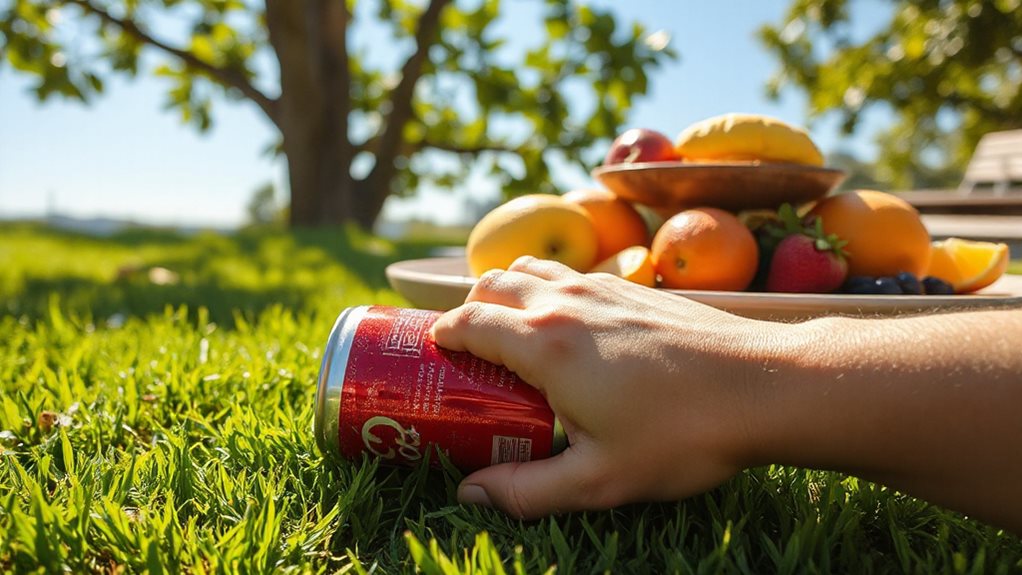
Breaking free from soft drink addiction is essential for enhancing health. Consumption of soft drinks is linked to various health risks, including dental erosion, weight gain, and potential cancer risks due to artificial sweeteners. Reducing intake can lead to better hydration, weight management, and improved dental health. Hypnosis has shown promise in helping individuals overcome cravings and develop healthier habits. There are also resources available to support a shift to a healthier lifestyle and make informed choices. More insights await to guide the journey.
Key Takeaways
- Acknowledge the health risks associated with soft drink consumption, including obesity and dental erosion, to motivate change.
- Explore hypnosis as a method to rewire cravings and promote healthier beverage choices.
- Focus on hydration alternatives like water or herbal teas to replace soft drinks in your diet.
- Join support groups or online forums for community encouragement and shared experiences in reducing soft drink intake.
- Educate yourself about nutritional guides that emphasize balanced diets and the importance of reducing sugar consumption.
Understanding the Dangers of Soft Drinks
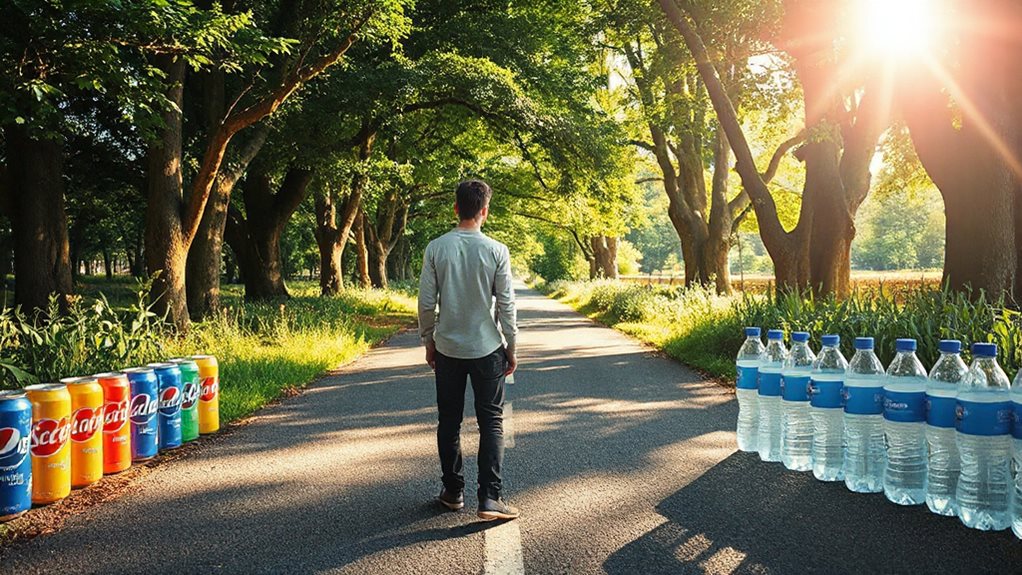
Although many individuals enjoy soft drinks for their taste and convenience, the dangers associated with these beverages can considerably impact health. Ingredients such as artificial sweeteners are linked to symptoms like headaches, dizziness, and mood swings, raising concerns about their long-term effects.
Additionally, acidifiers found in soft drinks contribute to tooth enamel erosion and calcium leaching, potentially leading to dental and bone health issues. Awareness of these dangers may motivate individuals to seek help in reducing their consumption.
Understanding these risks is an essential step toward making informed dietary choices and fostering a healthier lifestyle.
Health Risks Associated With Soda Consumption
Numerous studies highlight the significant health risks associated with soda consumption, underscoring the importance of understanding these dangers. Regular intake of soft drinks is linked to various health issues, including dental erosion, weakened bones, and potential cancer risks from artificial sweeteners.
| Health Risk | Description | Evidence Source |
|---|---|---|
| Dental Erosion | Acidic nature erodes tooth enamel | American Dental Association |
| Bone Weakening | Calcium loss contributes to fragility | Journal of Bone and Mineral Research |
| Obesity | High sugar content leads to weight gain | National Institutes of Health |
| Cancer Risk | Artificial sweeteners show potential links | Journal of Cancer Research |
The Positive Impact of Reducing Soft Drink Intake
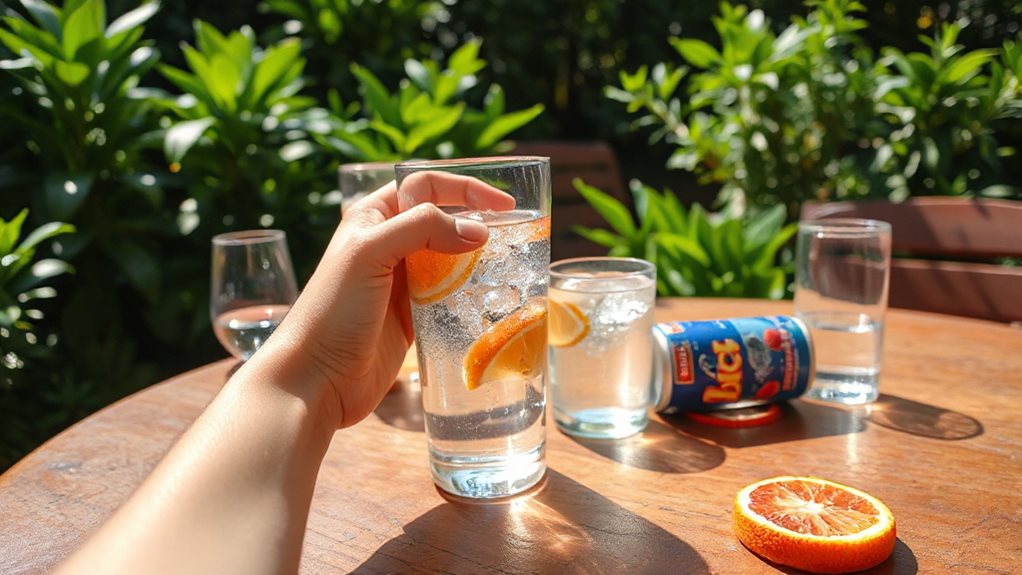
Reducing soft drink intake can lead to considerable improvements in overall health and well-being.
Studies indicate that individuals who cut back on sugary beverages often experience enhanced energy levels and better hydration. This reduction aids in weight management, as soft drinks are calorie-dense and provide little nutritional value.
Additionally, opting for healthier beverage choices can greatly improve dietary quality. Dental health benefits are also notable, as decreased consumption of acidic drinks helps preserve tooth enamel.
Utilizing Hypnosis to Overcome Addiction
How can individuals effectively break free from the grips of soft drink addiction? Hypnosis presents a viable solution for those seeking change.
This technique utilizes tailored scripts that promote healthier beverage choices and foster a positive relationship with hydration. Through visualization and suggestion, clients can rewire their cravings and reinforce their commitment to a healthier lifestyle.
Evidence suggests that hypnosis can lead to sustainable adjustments, reducing reliance on soft drinks. By engaging in this supportive practice, individuals may experience improved overall well-being, increased energy levels, and enhanced hydration, ultimately aiding in their journey toward overcoming addiction.
Resources for a Healthier Lifestyle
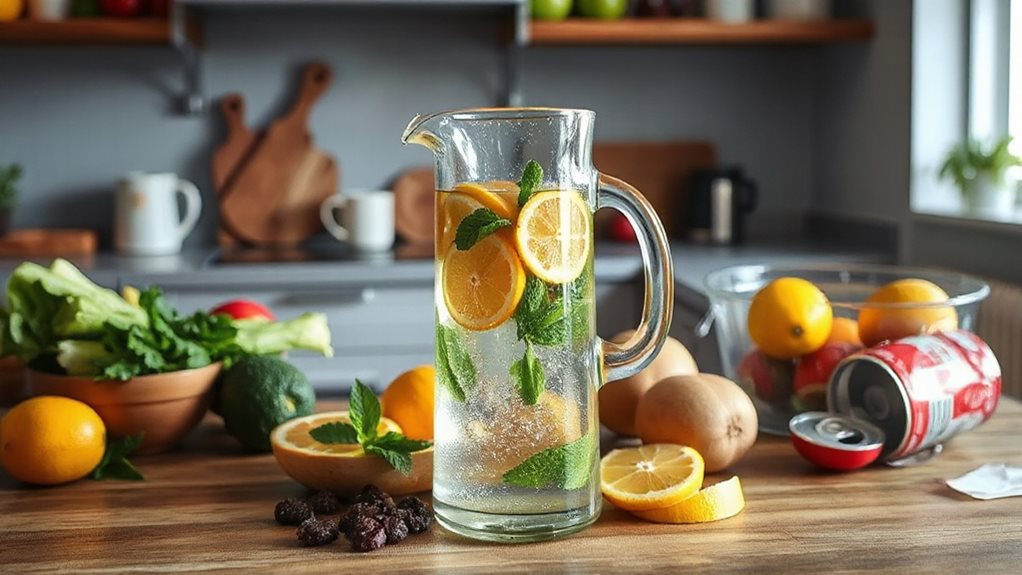
While many individuals struggle with soft drink addiction, a variety of resources are available to support a change toward a healthier lifestyle.
Educational materials highlighting the health risks associated with soft drinks can empower individuals to make informed choices. Support groups and online forums offer community encouragement and shared experiences.
Educational resources and community support can inspire healthier choices and empower individuals to overcome soft drink addiction.
Additionally, hypnosis scripts specifically designed for addiction can help reinforce positive behavioral changes. Nutritional guides emphasizing hydration alternatives and balanced diets further facilitate healthier habits.
Access to training for hypnotherapists guarantees professional support is available, enhancing the effectiveness of these resources in promoting a sustainable change away from soft drink consumption.
Frequently Asked Questions
How Can I Identify if I’m Addicted to Soft Drinks?
To identify soft drink addiction, one may recognize frequent cravings, reliance for energy boosts, withdrawal symptoms like headaches, and feelings of guilt after consumption. Acknowledging these signs can be the first step towards healthier choices.
What Are Some Common Withdrawal Symptoms When Quitting Soda?
Common withdrawal symptoms when quitting soda may include headaches, irritability, fatigue, cravings, and mood swings. These effects arise from the body adjusting to the absence of caffeine and sugar, highlighting the need for gradual reduction.
Can I Replace Soft Drinks With Other Beverages?
Replacing soft drinks with healthier beverages can be beneficial. Options like water, herbal teas, or infused water offer hydration without added sugars or acids, promoting better health and reducing potential risks associated with soft drink consumption.
How Long Does It Take to Break a Soft Drink Habit?
Research indicates that, on average, it takes about 21 days to form new habits. Breaking a soft drink habit may vary per individual, but consistent effort and supportive strategies can facilitate a successful change within this timeframe.
Are There Any Support Groups for Soft Drink Addiction?
Support groups specifically for soft drink addiction may be limited; however, individuals can find help through general addiction support groups. These communities offer shared experiences and strategies for healthier lifestyle choices, fostering accountability and motivation.
Conclusion
In the quest for wellness, breaking free from soft drink addiction stands as an essential step, akin to escaping a modern-day Siren’s call. By acknowledging the health risks and embracing the benefits of reduced consumption, individuals can reclaim their energy. Hypnosis emerges as a powerful ally in this transformative journey, guiding them toward healthier choices and a renewed relationship with hydration. As they navigate this path, the promise of a healthier lifestyle awaits, inviting them to thrive beyond the sugary haze.