
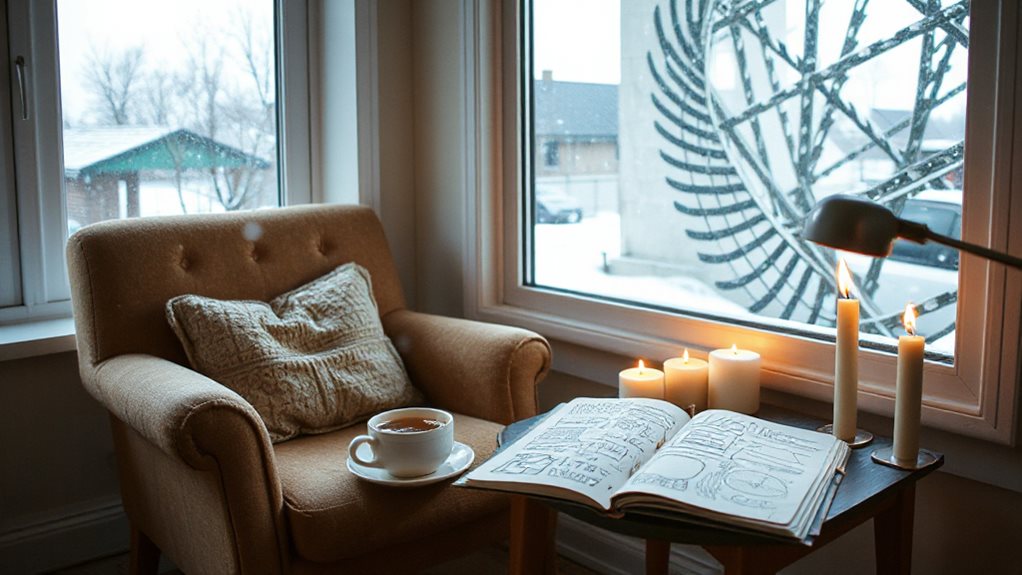
Hypnosis can be a valuable tool for those struggling with winter blues and Seasonal Affective Disorder (SAD). By influencing the autonomic nervous system, hypnotherapy promotes positive thought patterns and relaxation, helping to counteract low serotonin levels caused by reduced sunlight. Clients often report an increase in emotional well-being and resilience against seasonal challenges. Engaging with visual imagery techniques can further enhance this process, providing uplifting mental escapes. There are various effective hypnotherapy scripts to explore.
Key Takeaways
- Hypnotherapy promotes relaxation and positive thought patterns, helping to alleviate symptoms of winter blues and Seasonal Affective Disorder (SAD).
- Engaging in visual imagery techniques can create uplifting mental images, countering negative thoughts associated with winter.
- Hypnotherapy influences serotonin levels, which are often low during colder months, enhancing emotional well-being.
- Regular hypnotherapy sessions empower individuals to build resilience against seasonal emotional challenges and improve mood stability.
- Many users report increased satisfaction and emotional well-being after incorporating hypnotherapy into their winter coping strategies.
Understanding Winter Blues and Seasonal Affective Disorder
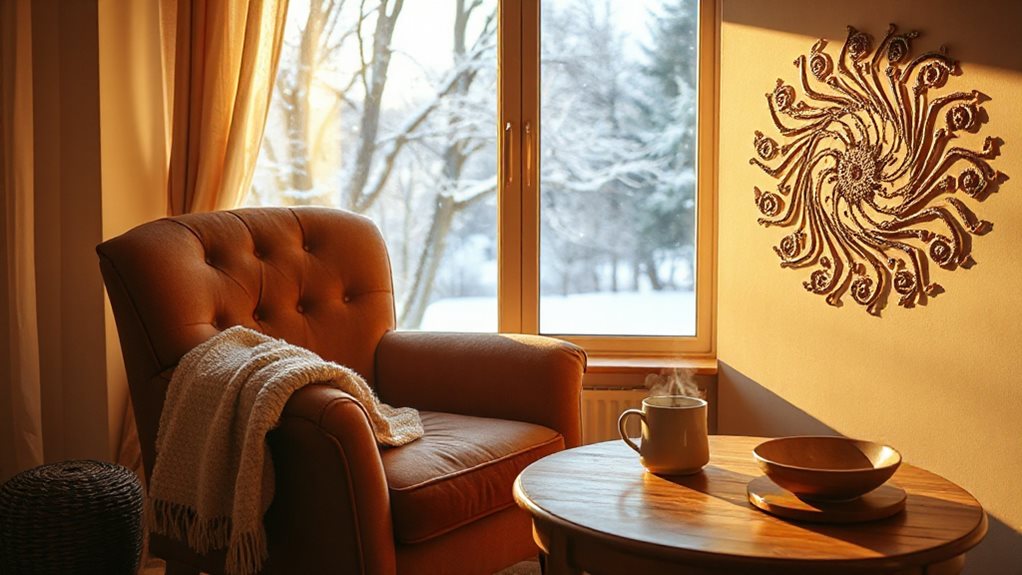
Winter can often cast a shadow over mental well-being, leading many to experience what is commonly referred to as the “winter blues.”
This phenomenon, along with Seasonal Affective Disorder (SAD), is primarily triggered by the prolonged exposure to cold, dark months that contribute to feelings of short-term depression.
The lack of sunlight during winter months is frequently cited as a culprit, resulting in disrupted circadian rhythms and a deficiency in serotonin, a neurotransmitter linked to happiness.
Understanding these factors is vital for addressing the emotional challenges many face during this season, paving the way for effective coping strategies and support.
The Role of Serotonin in Mood Regulation
Serotonin plays an essential role in regulating mood and emotional well-being, acting as a key neurotransmitter that influences feelings of happiness and contentment. Low serotonin levels are often linked to depressive symptoms, particularly during winter months when sunlight is scarce. Understanding its impact is vital for addressing mood disorders such as Seasonal Affective Disorder (SAD).
| Factor | Effect on Serotonin Levels | Impact on Mood |
|---|---|---|
| Sunlight Exposure | Increases serotonin | Enhances mood |
| Diet (Tryptophan) | Boosts serotonin production | Improves emotional state |
| Exercise | Stimulates serotonin release | Reduces anxiety and depression |
| Sleep Quality | Regulates serotonin balance | Stabilizes mood |
How Hypnotherapy Can Help Alleviate Symptoms
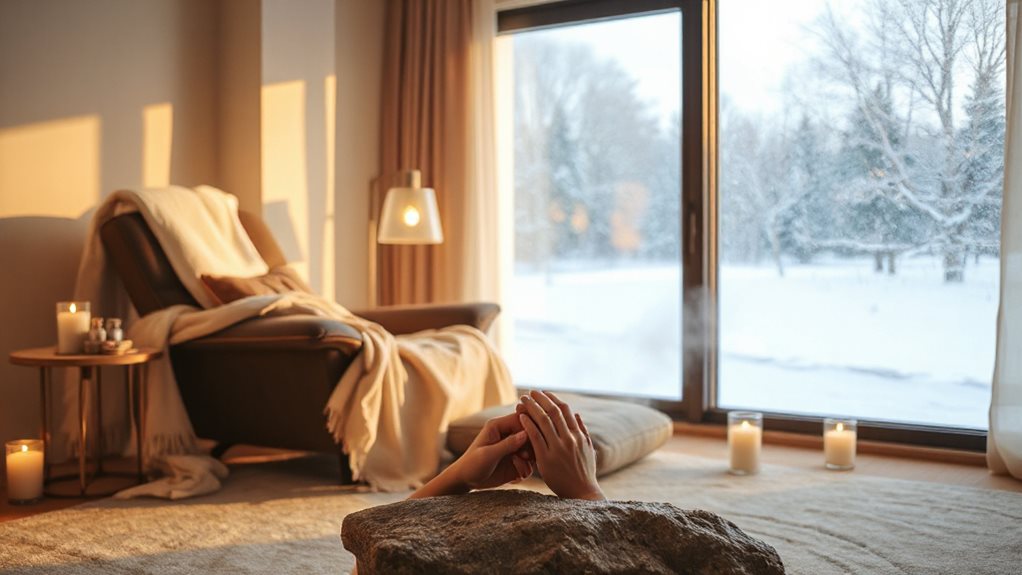
As individuals face the challenges of reduced daylight and colder temperatures, hypnotherapy emerges as a promising tool to alleviate the symptoms associated with Seasonal Affective Disorder (SAD) and winter blues.
This therapeutic approach aims to influence the autonomic nervous system, fostering positive thought patterns that can enhance emotional well-being. By promoting relaxation and mental clarity, hypnotherapy helps individuals adjust their circadian rhythms, potentially mitigating feelings of lethargy and sadness.
Although not a medical treatment, hypnotherapy provides a supportive avenue for self-improvement, empowering individuals to cultivate resilience against the emotional challenges that winter often brings.
Visual Imagery Techniques for Positive Thinking
How can visual imagery techniques enhance positive thinking during challenging times? These techniques involve creating vivid mental images that evoke feelings of joy, relaxation, and hope.
By engaging the mind in positive visualization, individuals can counteract negative thoughts associated with winter blues and Seasonal Affective Disorder (SAD). Imagining warm, sunny environments or cherished moments can stimulate the release of serotonin, fostering a sense of well-being.
Such practices not only promote emotional resilience but also empower individuals to shift focus from bleak realities to uplifting possibilities. Ultimately, visual imagery serves as a powerful tool for nurturing positive thinking and enhancing overall mental health.
The Importance of Adjusting Circadian Rhythms

Adjusting circadian rhythms plays an essential role in combating the effects of winter blues and Seasonal Affective Disorder (SAD). Disruption in these natural cycles can lead to mood disturbances and fatigue. Hypnotherapy can help realign these rhythms, promoting better sleep and emotional well-being.
| Circadian Rhythm Aspect | Effect on Mood |
|---|---|
| Sleep Patterns | Regulates energy |
| Light Exposure | Influences serotonin |
| Routine Consistency | Stabilizes mood |
| Melatonin Production | Enhances sleep quality |
| Stress Management | Reduces anxiety |
Customer Experiences and Feedback on Hypnotherapy
While many individuals seek effective solutions for combating the winter blues and Seasonal Affective Disorder (SAD), customer experiences with hypnotherapy have highlighted its potential benefits.
Users consistently report positive outcomes, noting increased emotional well-being and reduced symptoms associated with SAD. Testimonials reflect high satisfaction with the reliability of hypnotherapy scripts, reinforcing their effectiveness for relaxation and mood enhancement.
In addition, clients appreciate the excellent support and service provided by hypnotherapy professionals, fostering a sense of community and trust. Long-term users often cite these resources as invaluable tools in managing seasonal challenges, ultimately contributing to an improved quality of life during winter months.
Exploring Available Hypnotherapy Scripts for Relaxation
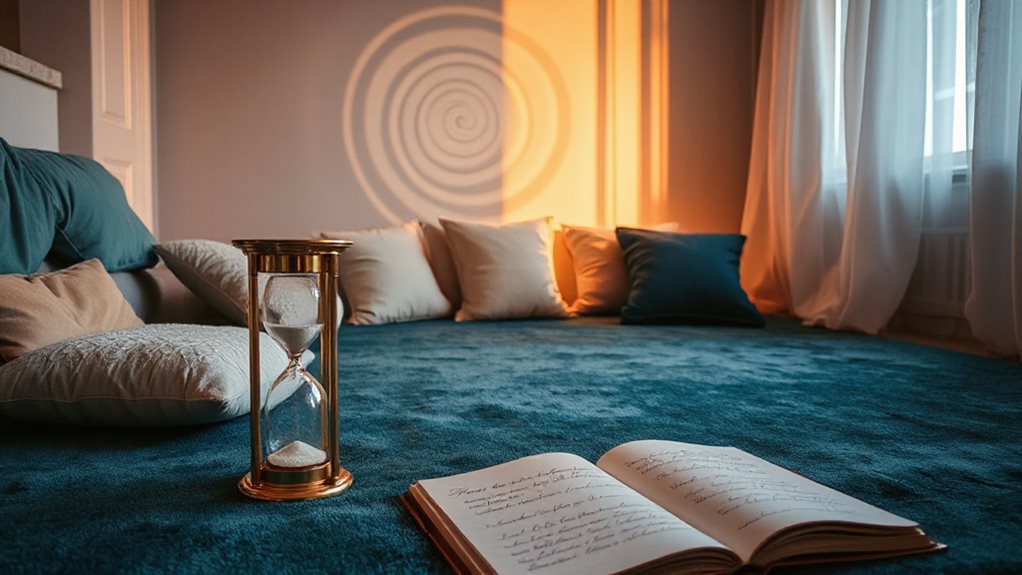
As individuals seek effective methods to alleviate the winter blues and enhance their emotional well-being, a variety of hypnotherapy scripts designed for relaxation offer promising solutions.
These scripts, including Winter Blues Relaxation and Seasonal Affective Disorder (SAD) Relaxation, employ visual imagery to foster positive thought patterns and influence the autonomic nervous system.
Hypnotherapy scripts like Winter Blues Relaxation use visual imagery to promote positivity and support emotional well-being.
Tailored for personal development, they aim to create a calming mental space, promoting improved emotional states akin to the joy of anticipating a holiday.
While not classified as medical treatments, these resources provide valuable support for those managing the challenges of winter-related emotional distress.
Frequently Asked Questions
Is Hypnotherapy Safe for Everyone Experiencing Winter Blues?
Hypnotherapy may not be universally safe for everyone experiencing winter blues. Individual responses vary, and it is advisable for individuals to consult healthcare professionals before engaging in any hypnotherapy practices for mental health concerns.
How Long Does Each Hypnotherapy Session Typically Last?
How long can one truly invest in their mental well-being? Typically, each hypnotherapy session lasts between 30 to 60 minutes, allowing ample time for relaxation and exploration of positive, transformative thoughts and feelings.
Can Hypnotherapy Be Combined With Other Treatments for SAD?
Combining hypnotherapy with other treatments for Seasonal Affective Disorder (SAD) can enhance overall effectiveness. This integrative approach often promotes greater emotional stability and well-being, allowing individuals to better manage their symptoms and improve their quality of life.
What Should I Expect During a Hypnotherapy Session?
During a hypnotherapy session, one might expect to drift into a relaxed state, paradoxically becoming more aware. The session aims to foster positive thoughts, ultimately guiding individuals towards emotional well-being and improved mental clarity.
Are There Any Side Effects of Hypnotherapy for Winter Blues?
The current question addresses potential side effects of hypnotherapy for winter blues. Generally, side effects are minimal, but some individuals may experience temporary emotional discomfort or heightened sensitivity. Overall, many find it beneficial and supportive.
Conclusion
To sum up, while some may question the effectiveness of hypnotherapy for combating the winter blues, numerous individuals have reported significant improvements in their mood and overall well-being through these techniques. By harnessing the power of suggestion and visualization, hypnotherapy offers a unique approach to addressing the emotional challenges of the season. Ultimately, those seeking relief from seasonal sadness should consider exploring hypnotherapy as a viable option to enhance their mental health and foster a more positive outlook during winter months.